Lyonshall Castle and Church

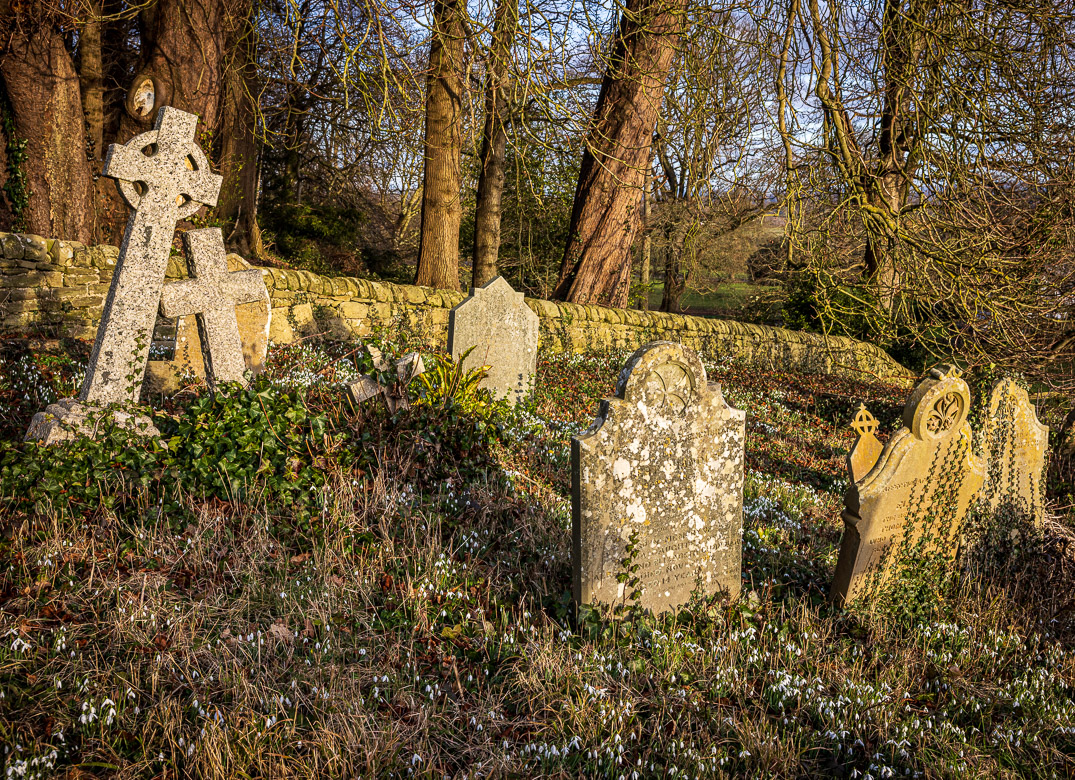
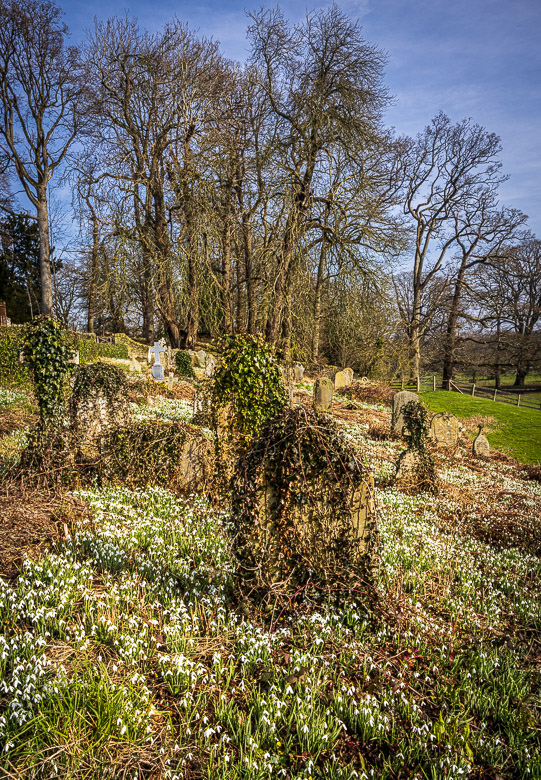
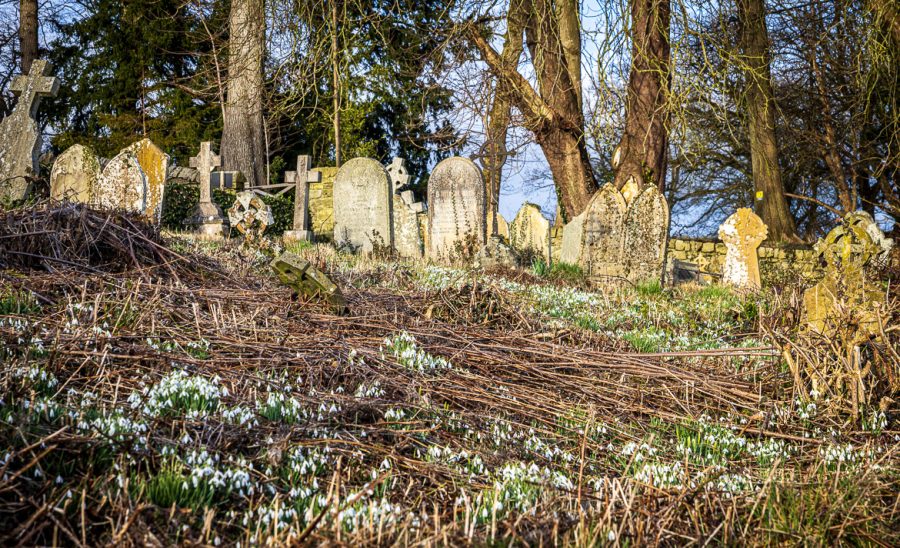
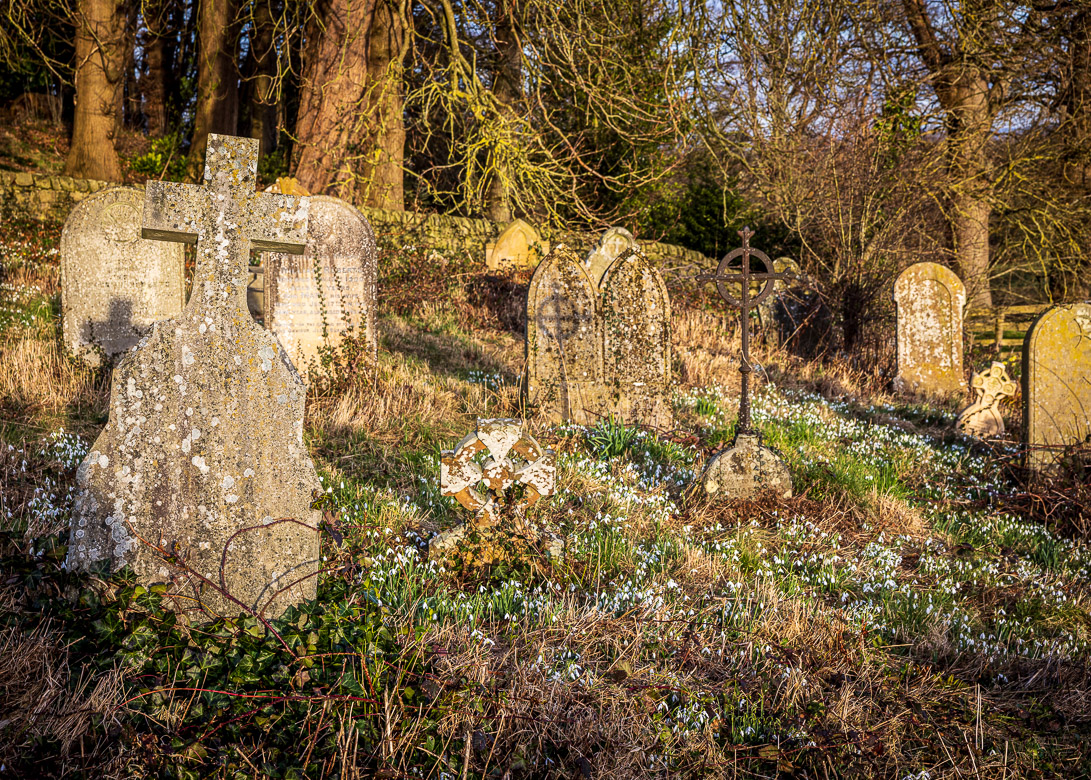
The Churchyard at Lyonshall in soft late afternoon light

Lyonshall Castle

The next stop on my journey through neighbouring places in Herefordshire is the castle and church of Lyonshall. Just like Eardisland and Pembridge, Lyonshall, situated on the Marchers, the borderland between England and Wales, has a medieval castle next to the church. 

So, I came to Lyonshall to discover the medieval castle and church and the history behind them. But was really captivated me was the old and very romantic churchyard with overgrown gravestones leaning in all possible directions and the ground covered with snowdrops. I had lovely late afternoon light shining on the snowdrops and gravestones, so during my first visit the sun set before I had time to photograph the castle. I had to go back a few times to photograph the castle in the moody light that I wanted. 

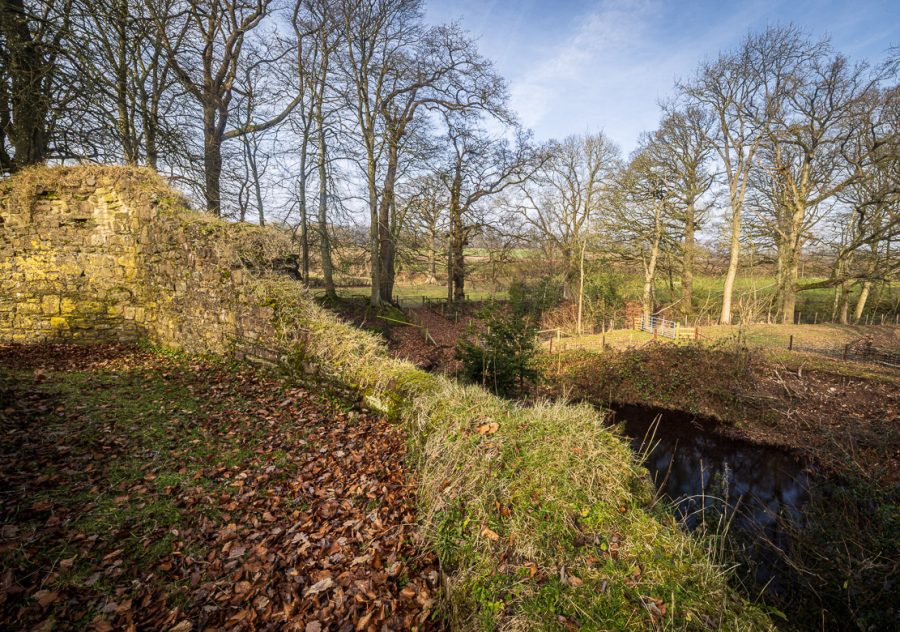
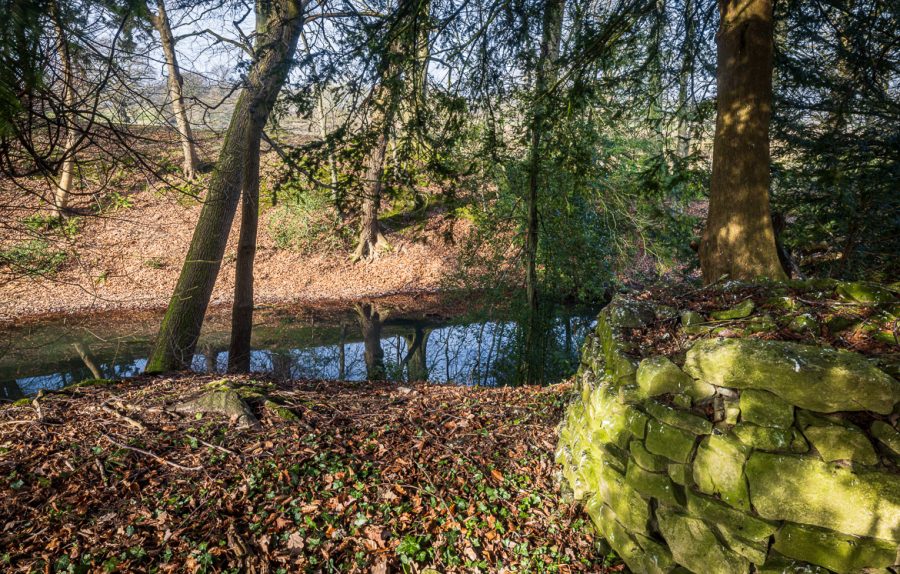
Lyonshall Castle is a ruin with a moat and an outer enclosure. It covers an area of around 3 acres. The castle was erected around the year 1090, when the Devereux family held it as lords of the manor.

The castle was one of the important border manors of the Marcher lords along one of the roads between England and Wales and many of the occupants of the castle continued to lead lives of national significance. In 1322 the castle was part of the estates of Bartholomey de Badlesmere. He was described at his execution as “a great Baron and as great a Rebel”.

In the 1450ies the castle had fallen into ruins.
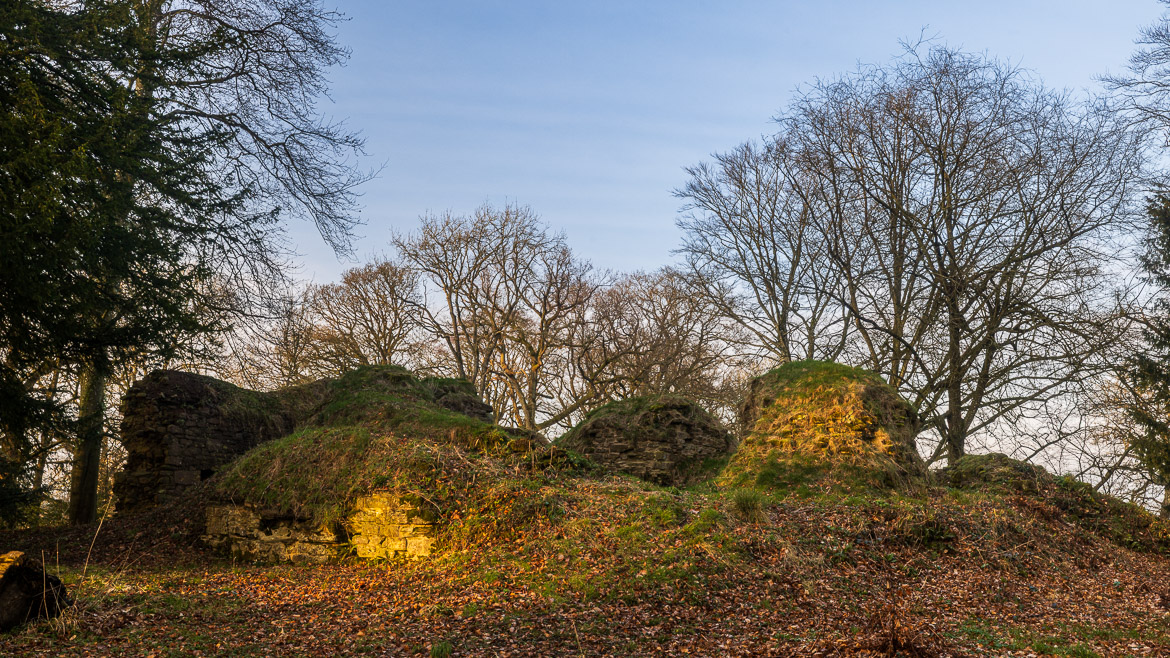
The remains of the original castle from 1090
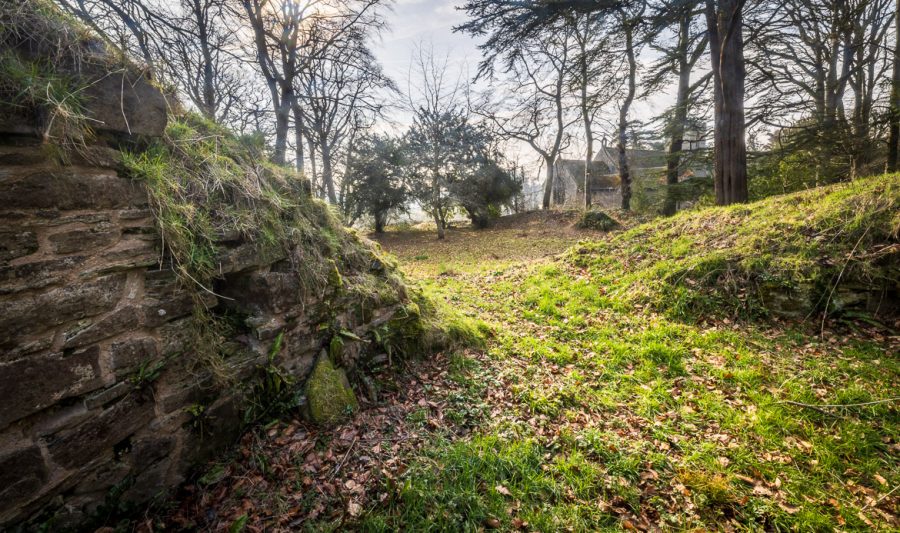
Looking back from the castle towards the church and the sun, partially breaking through the clouds

The Church of St Michael and All Angels
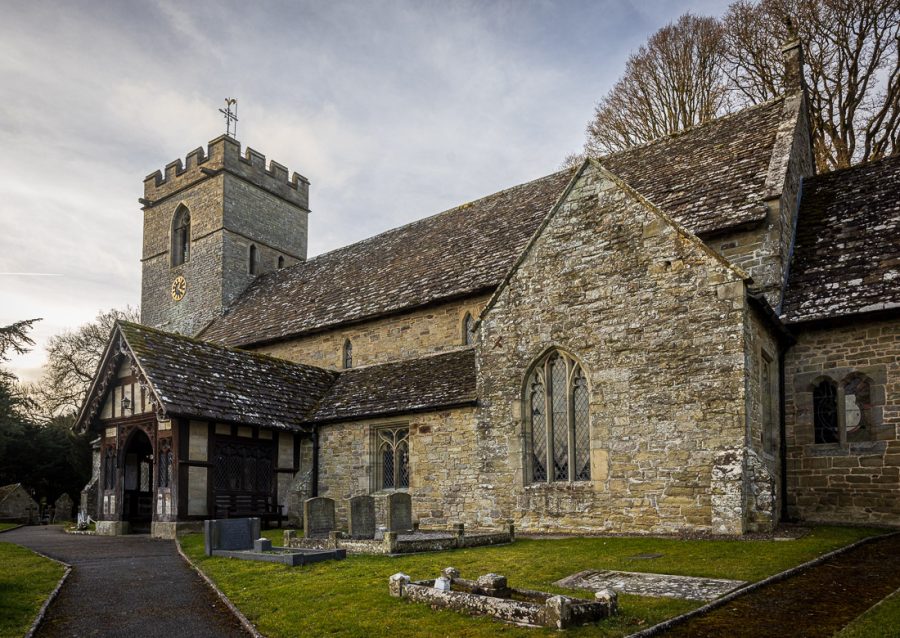
The Church of St Michael and All Angels at Lyonshall

The Church of St Michael and All Angels sits alongside the castle and was probably established to serve the castle. The church is built of red sandstone rubble and is mostly from around 1250, but the west wall of the nave is even earlier and dates to the 11th century. It must have been built at the same time as the first parts of the castle were constructed.

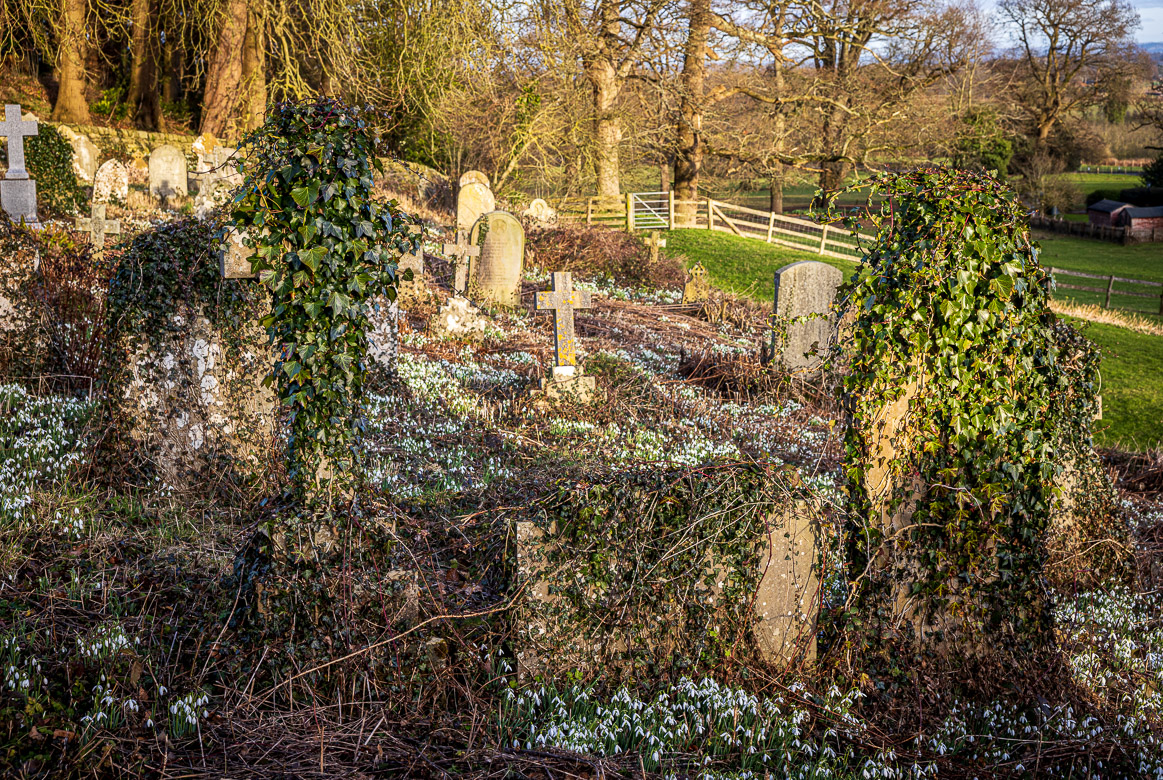
But I concentrate on the churchyard. With the gravestones arranged higgledy piggledy and leaning in every possible direction, many of them overgrown and with the ground covered by snowdrops, it appealed to my romantic heart and mind. I spent several hours at a couple of different times and felt a tranquility that was captivating. I hope I can convey some of this mood to you as well.
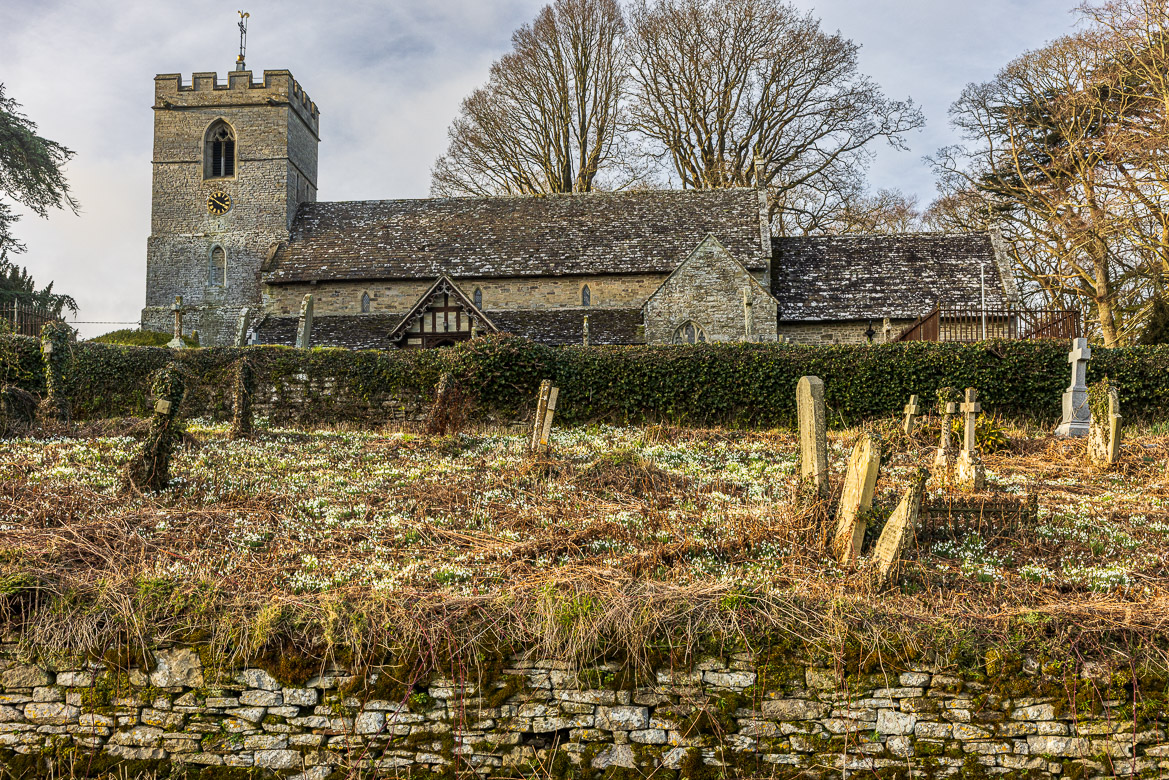
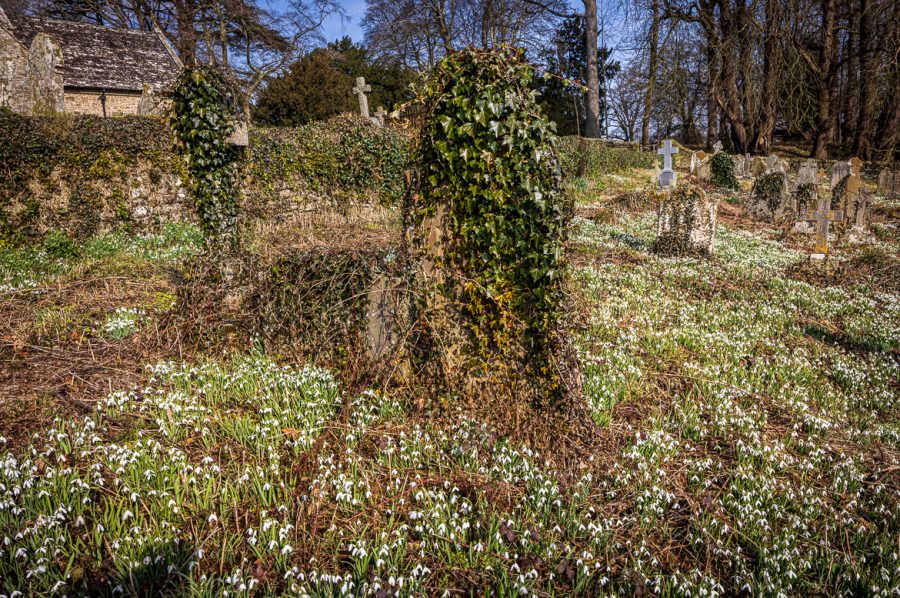
The churchyard on a sloping area below the church

4 thoughts on “Lyonshall Castle and Church

  1. Thanks for sharing the photos. What a beautiful, peaceful, romantic place; you almost transport the viewer to the very spot.

    1. Thanks Marion!
      A Swedish cemetery is always well organised and a little bit boring. This place on the other hand, with overgrown gravestones and a carpet of snowdrops, is as you say, both peaceful and romantic. To walk around it finding the angles to catch the atmosphere was such a pleasure

  2. Superb photos capture well the essence of a lovely spot. When a teenager about 1960 I spent much time at Lyonshall. Not so special architecture as Pembridge but very memorable. At that time such a small village possessed a Church, Chapel, Village Hall, Hand operated telephone exchange, Post Office, Grocery Shop, Sweet shop (with the cat always asleep on the sweets in the window!), a Dairy, Blacksmiths, Public House, several Farms. The train station and bakery had already gone. Now, all that is left is the Church and the Village Hall. Although the lovely architecture of these villages remains, sadly to an extent part of the heart has gone from them as there are so few places to focus upon. Look carefully at the buildings and the former shopfronts will sometimes be seen. Yes, there are now cafe’s and restaurants (not then, everyone ate at home), which help up to a point. Happy days, fond memories.
    We need to realize that until the industrial revolution much of England’s architecture was like this. The half timber buildings need plenty of maintenance. This whole part of the country fell into relative poverty following the collapse in the wool trade in around the later 1600s, there was not the money to replace these timber buildings, unlike elsewhere. Fortunate for us! (Think of Denmark, which lost so very many similar buildings in a modernisation drive after WW2, only government intervention prevented a complete loss)

    1. Dear Gerald,
      Thanks for your comment. It gives life to my description of the black and white villages. We are newcomers in this part of England and you have added a little bit of history that amplifies the love we feel for the area.
      Jan-Eric

Leave a comment

Your email address will not be published. Required fields are marked *