Tore and I journeyed through parts of Northern Portugal last October. I have described it in a number of posts starting with Porto and then continuing to the Wine growing region of the Douro Valley including Lamego and Ucanha. Now we are turning north, visiting the coastal town of Viana do Castelo located at the estuary of river Lima.
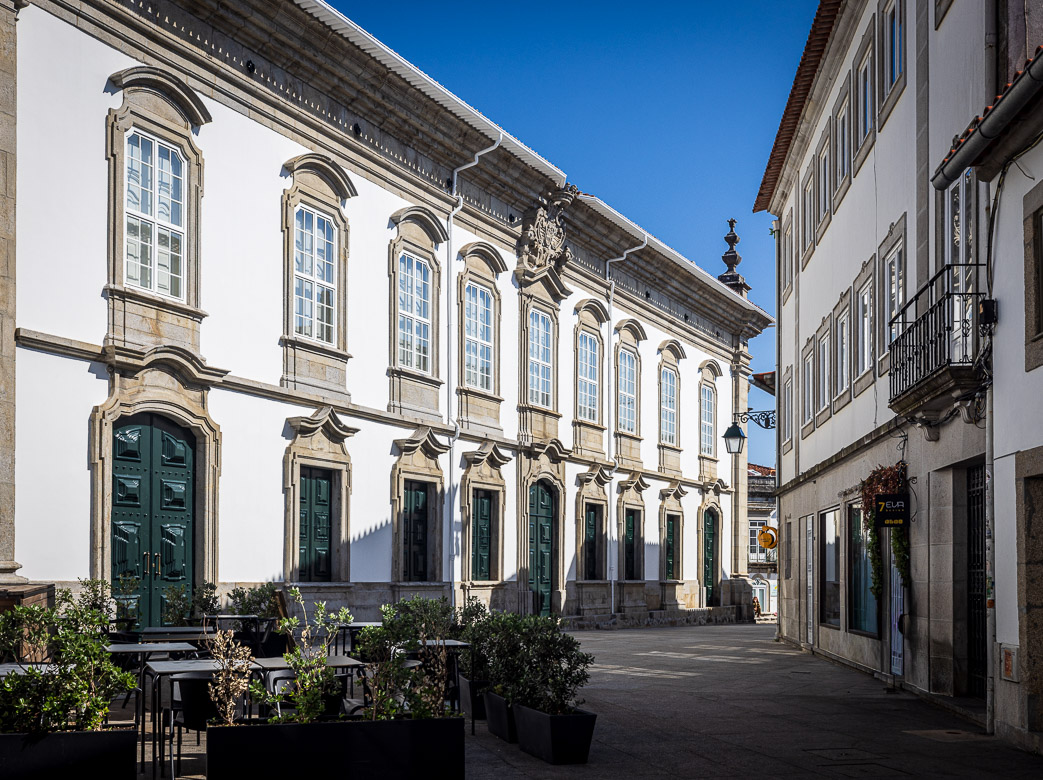
The town blossomed in the 15th C, when it was an important port and fishing town for the Portuguese. From Viana do Castelo the Congo was explored and the fishing grounds of Newfoundland were chartered. And the city’s compact centre is crowded by Baroque, Renaissance and Manueline buildings lining the winding streets and intimate squares. Manueline architecture is a lavish, typical Portuguese architectural style named after King Manuel I. It mixes late Gothic, Renaissance and maritime motifs reflecting the age of Discoveries, dating mainly from 1490-1520.
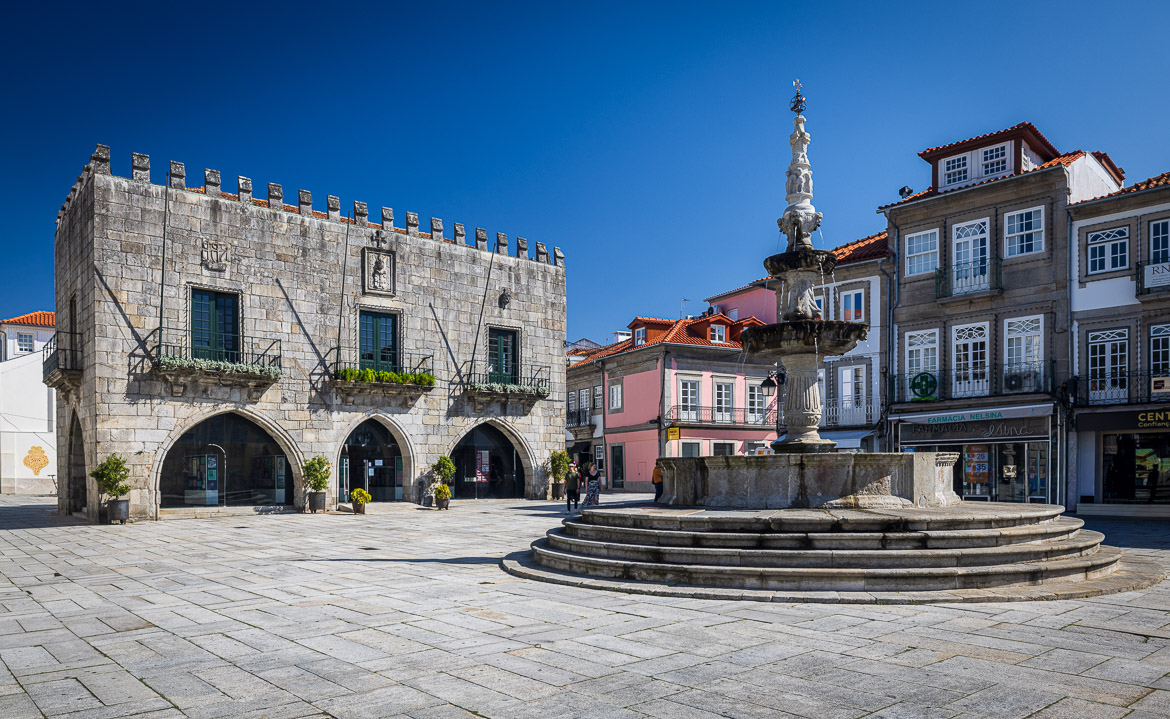
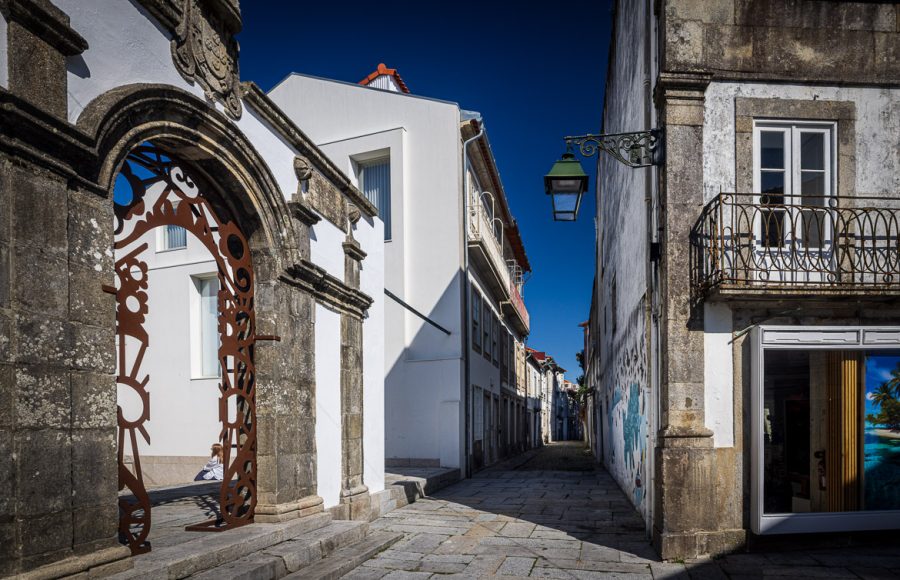
Praça da República is the centre of the city and became the centre of our explorations too. I walked the narrow streets with my camera, while Tore enjoyed the cafés that were to be found everywhere.
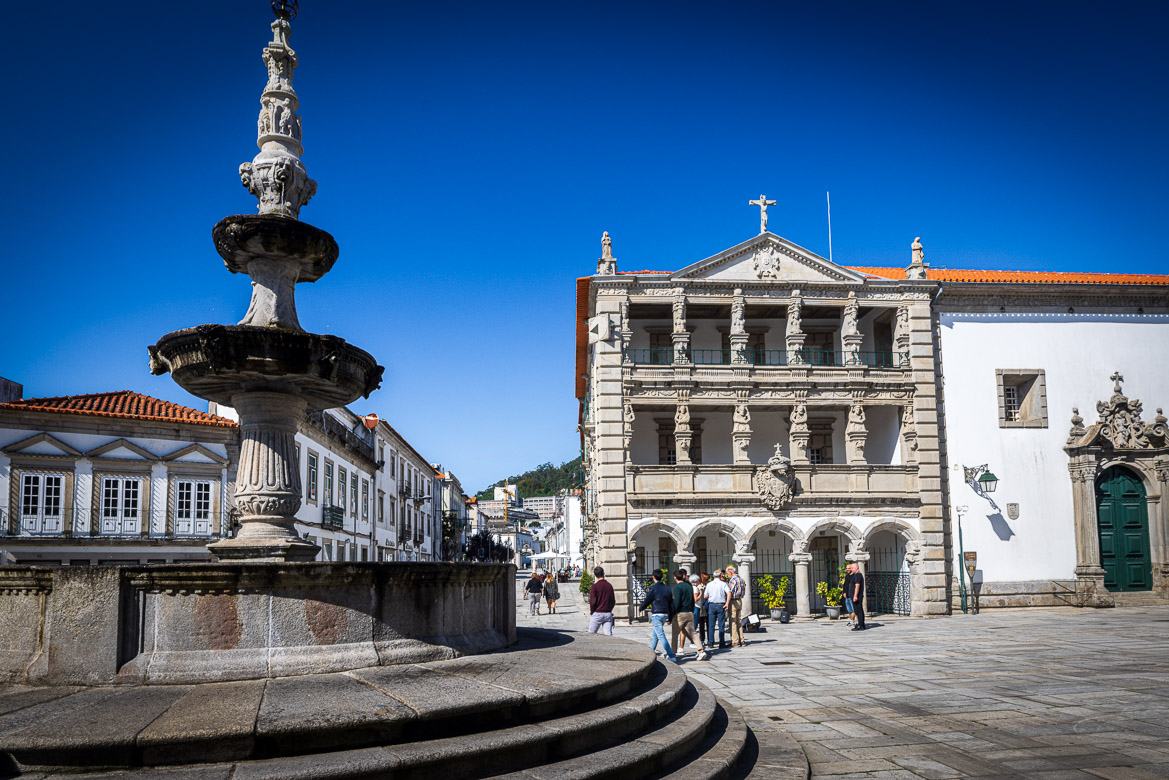
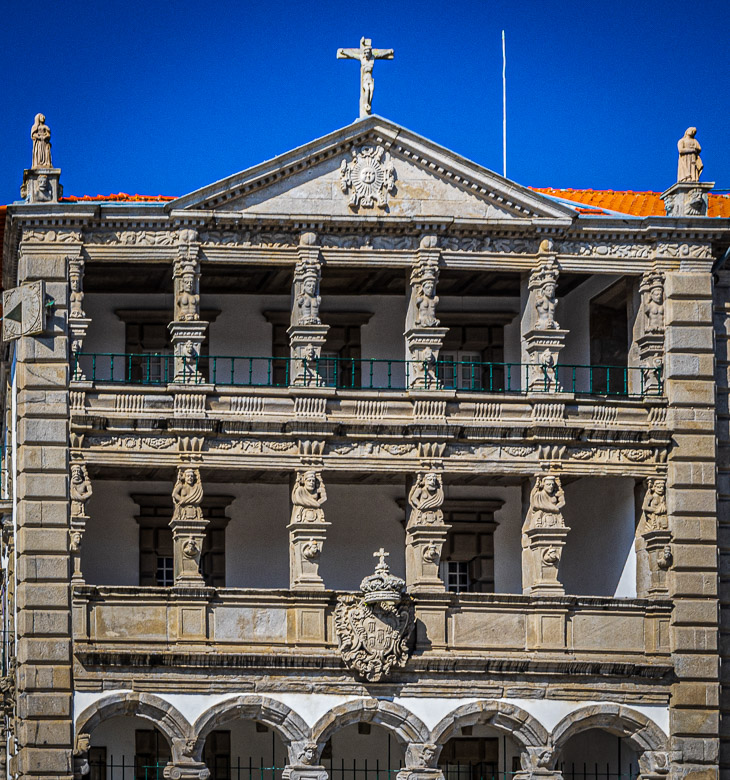
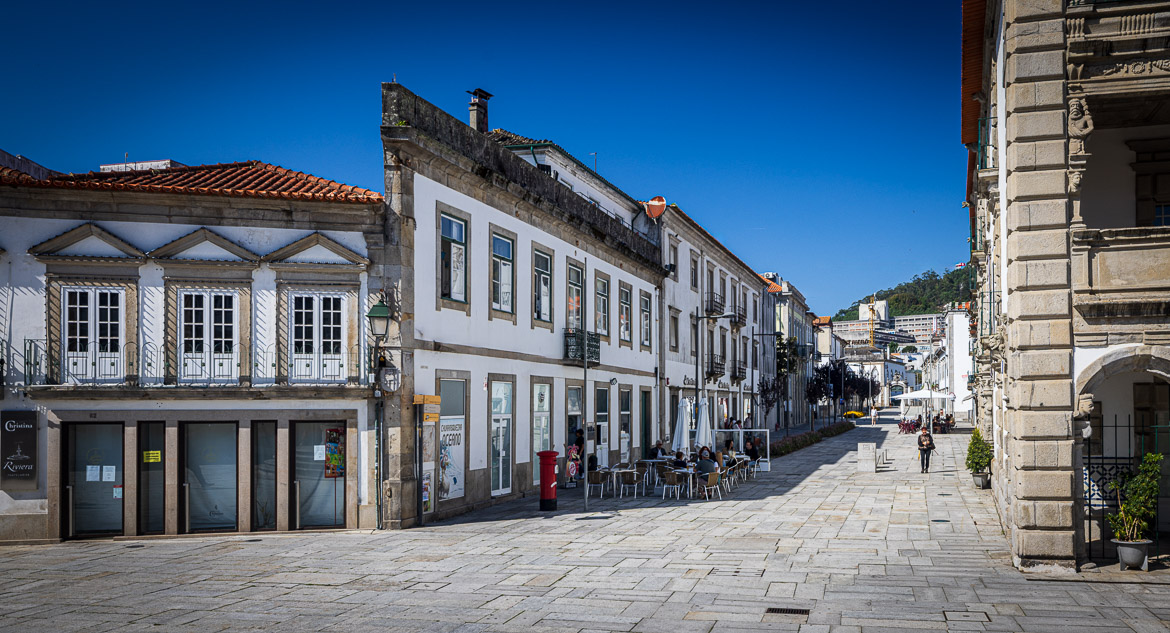
The first image is captured at the Praça da Republic, the social heart of the town. At the same square is the Igreja da Misericórdia (Church of Mercy). It was built in 1598 to house the local branch of the Santa Casa da Misericórdia brotherhood. The building served as a charitable institution providing social assistance and shelter, as a hospital and of course as a church.
It is famous for the caryatids, sculpted female figures that served as columns or pillars holding up the building. Caryatids is a Greek term literally meaning “maidens of Karyai”, an ancient town on the Peloponnese.
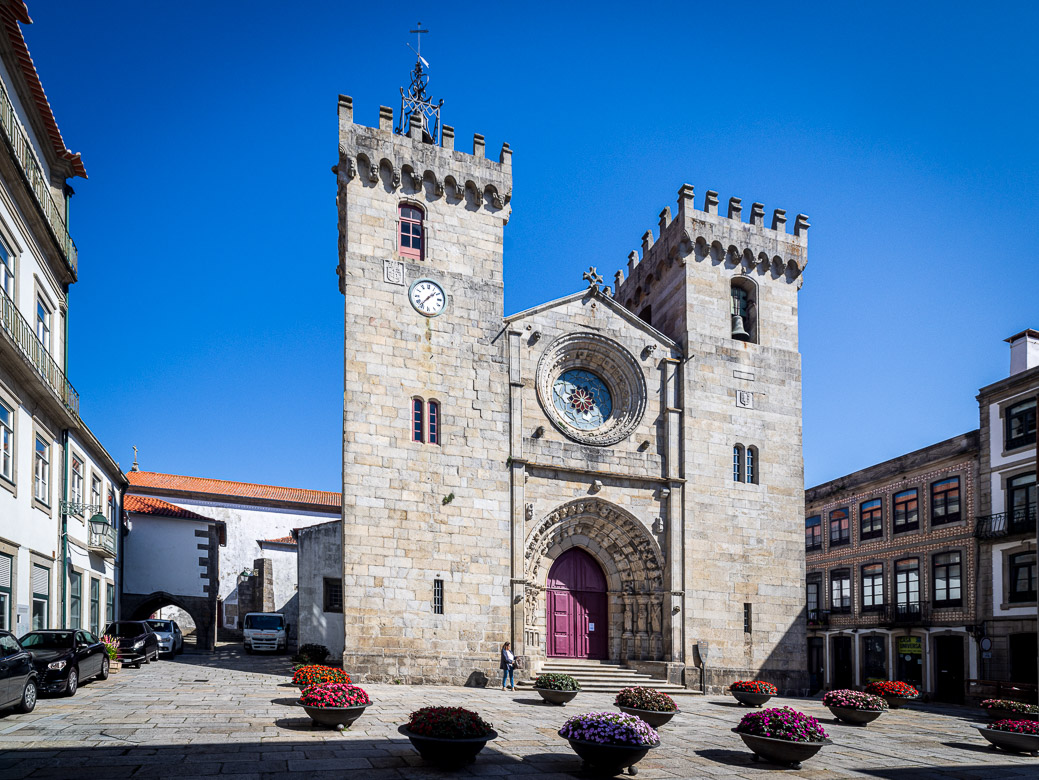
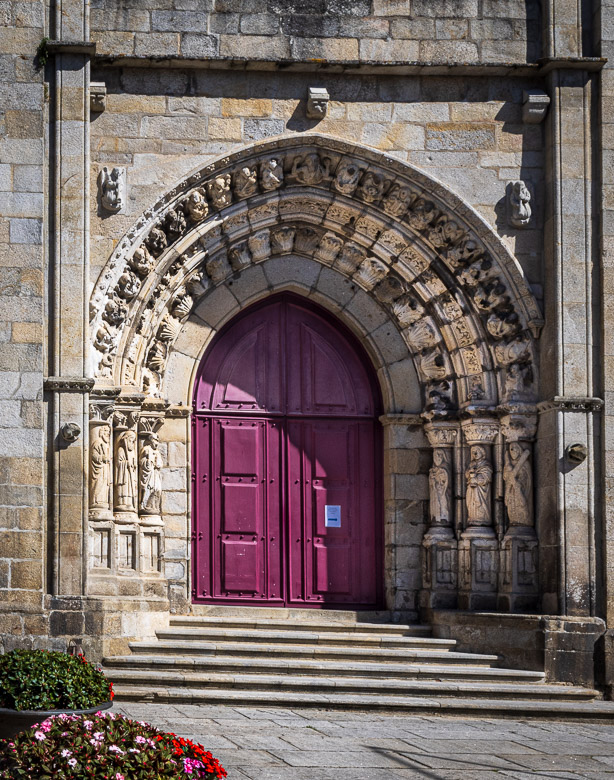
Igreja Matriz, the parish church, dates from the 15th C. It has two unusually sculpted towers and a Gothic doorway, carved with figures of Christ and the apostles. In 1977 Pope Paul VI authorised the creation of the Diocese of Viana do Castelo and the parish church was elevated to the status of Se or Cathedral.
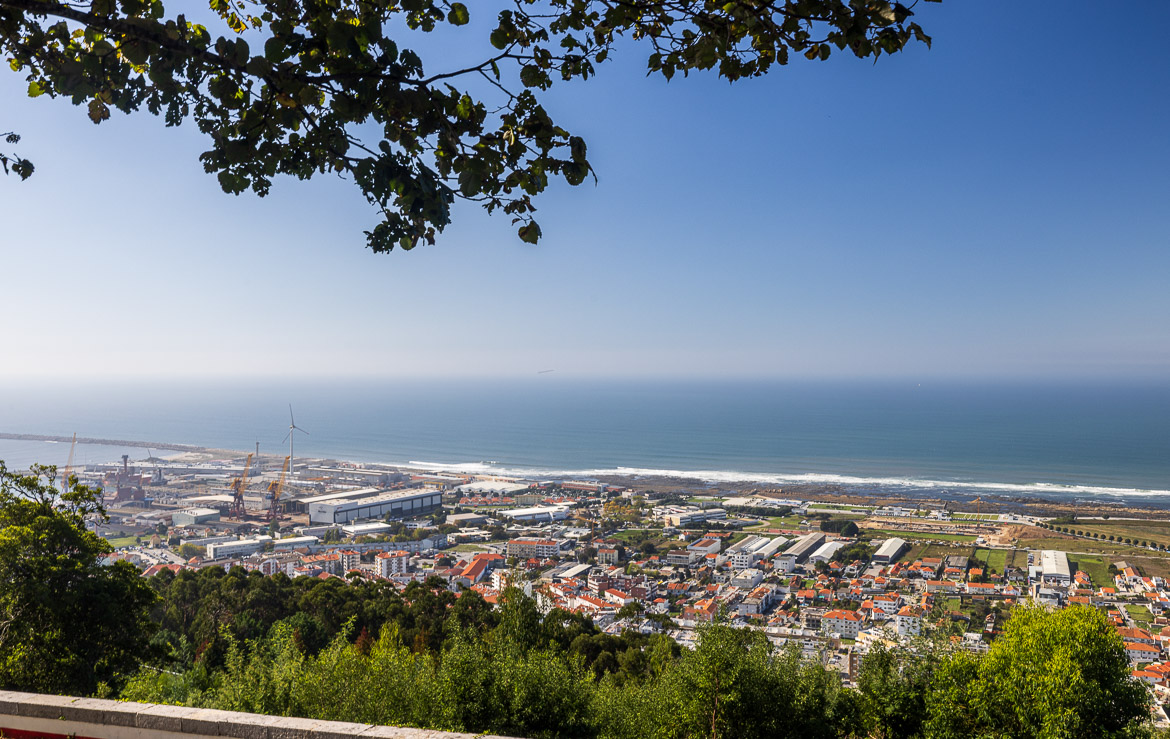
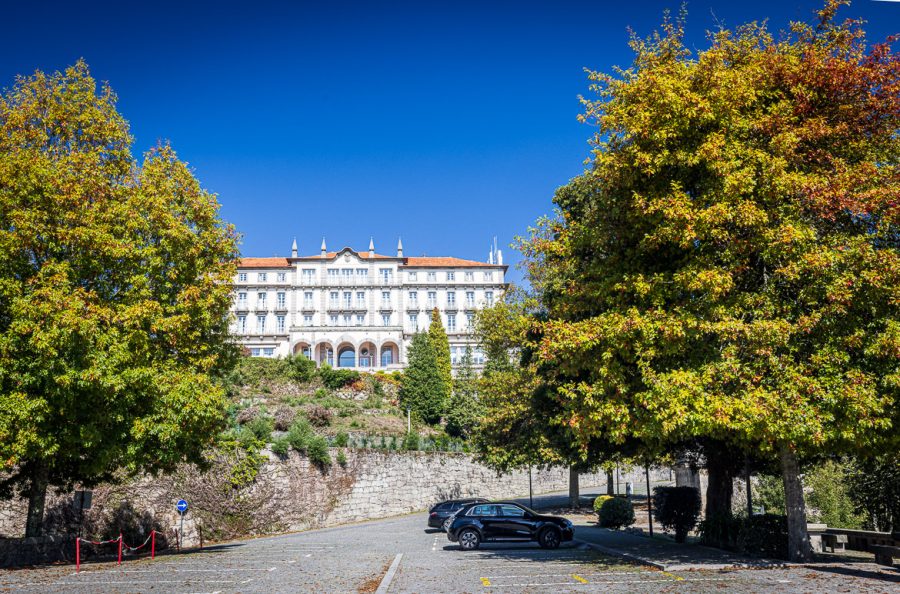
To get a good view of the town, the beach and sea we drove up on Monte de Santa Luzia, 5 kilometres north of the town and 200 metres above sea level. The basilica, Santuario de Santa Luzia, was completed in 1926. The church was modeled on Sacre Coeur in Paris.
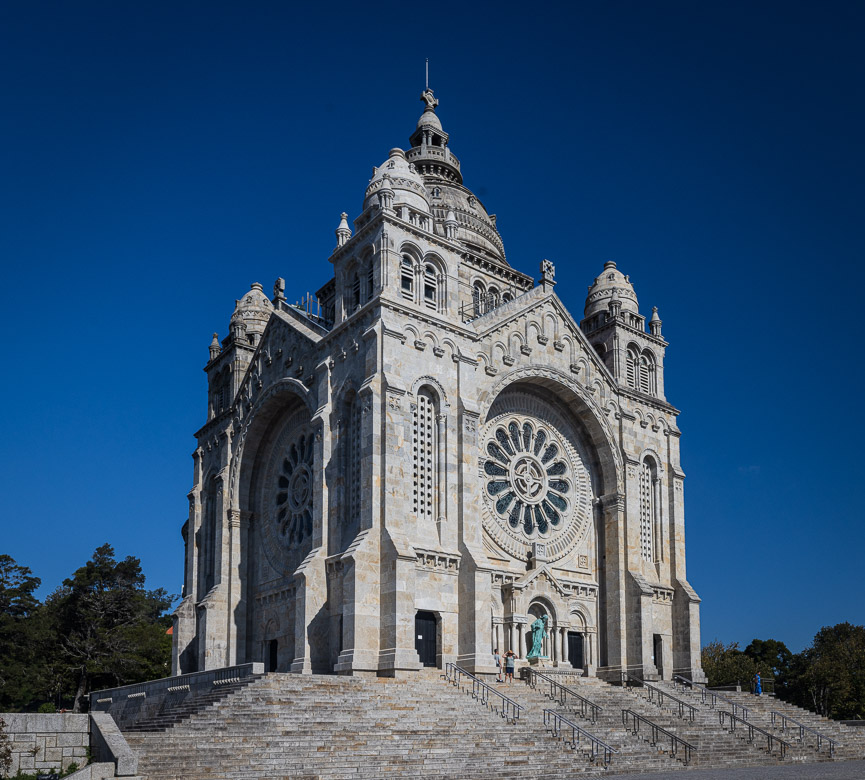
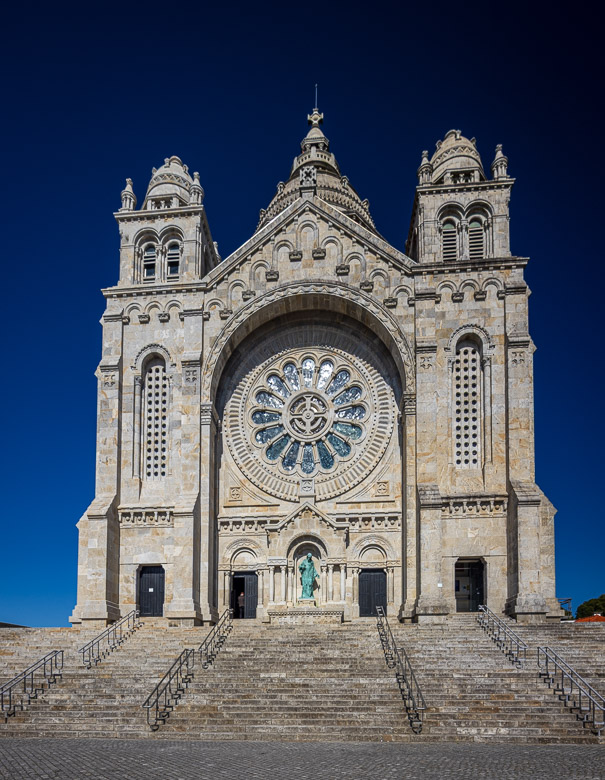
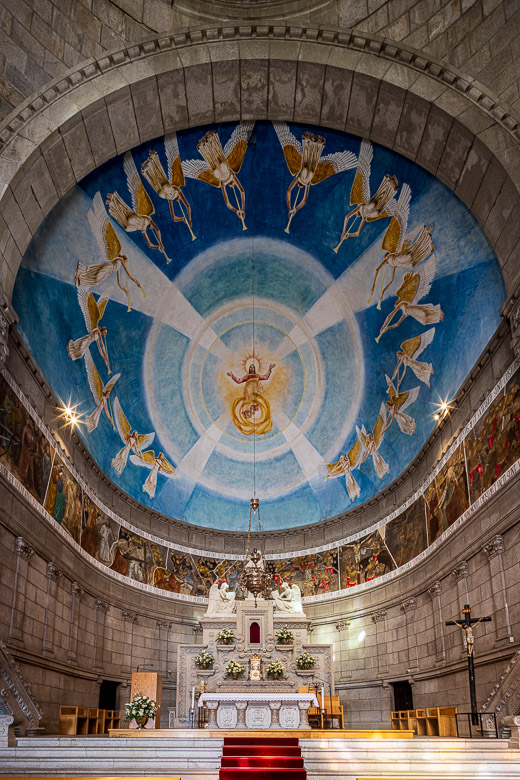
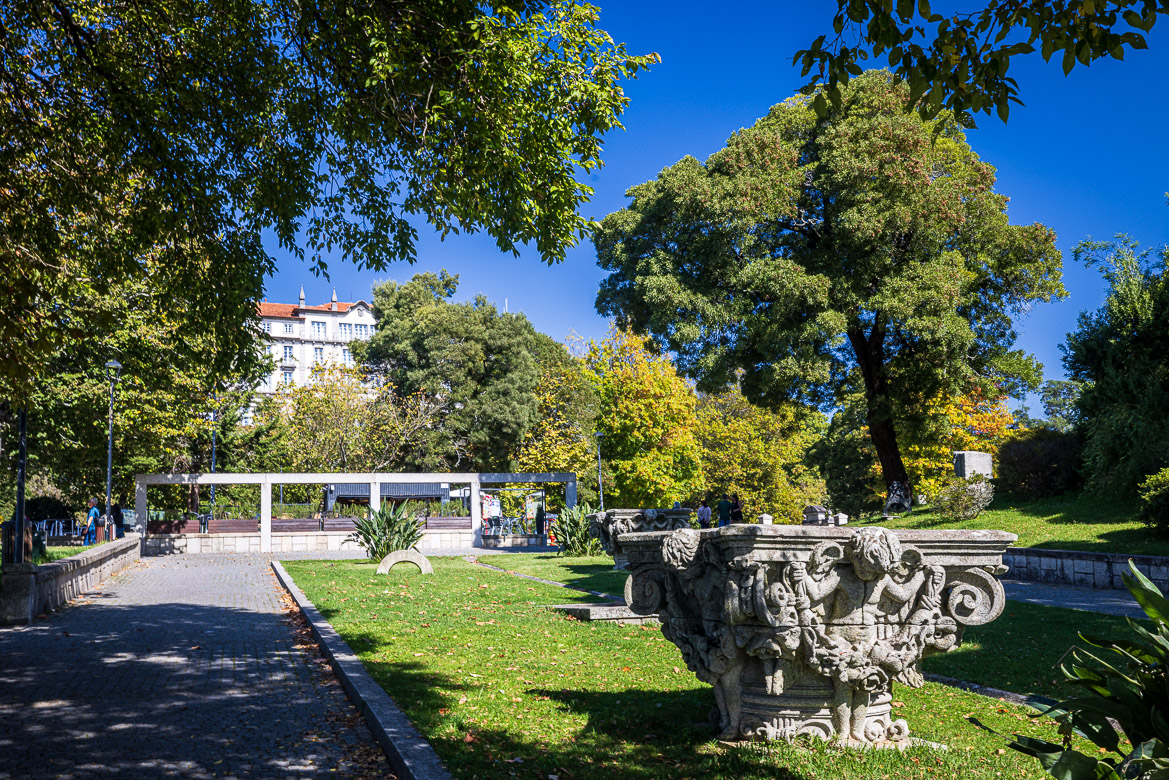
The location is fabulous but the architecture is not of much interest (my personal opinion). But the views and the walks in the parks up at the Monte de Santa Luzia were well worth the little excursion.