The Moors controlled parts of the Iberian Peninsula from AD 711 to 1492. Up to 1031 they controlled a substantial part under the Caliphate of Córdoba and then it fragmented into smaller kingdoms and the Christian armies began the reconquest, starting in the north and moving further and further south. But the area around Granada was held by the Moors until 1492.
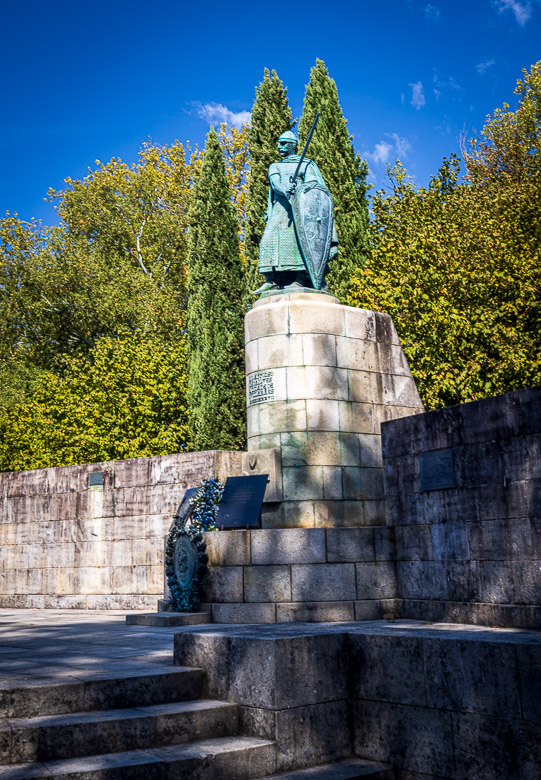
In the very north of Portugal, Portucale was a small county in the Kingdom of León and Castille during the 11th C. Portucale was an area north of the river Douro (which flows through Porto) and south of river Minho. In 1139 Afonso Henriques defeated the Moors in the important battle of Ourique (situated between Lisbon and Algarve) and was proclaimed the first King of Portugal. But formally he got his independence from León et Castile in 1143. At that time it was only the northern part of the present country that was ruled by Afonso Henriques. Dom Afonso Henriques is seen as the founder of Portugal.
During the next hundred years the Portuguese pushed the Moors further and further south until they were finally driven out of Algarve in 1249, and since then the borders of Portugal have in large part remained unchanged. But in 1139 the country was much smaller and concentrated in the north, and Afonso Henriques selected Guimarães as his capital.
In the year of 1179 (when Afonso was 70 years old) Pope Alexander III granted Afonso Henriques the right to conquer lands from the Moors and referred to him as Rex for the first time: “Alexander, Bishop, servant of the servants of God, to his dear son in Christ, Afonso, illustrious king of the Portuguese and his heirs… We, recognising your person with all the honours and dignity proper to kings, grant you by virtue of the apostolic authority and confirming you in possession of all the places that, with the help of divine grace, you will be able to wrest from the hands of the Saracens, without our your neighbours, The Christian princes, being able to claim any pretentious over them.”
Tore and I decided to visit Guimarães, the cradle of Portugal, on our trip around parts of Northern Portugal. I have two posts from Guimarães. The first shows some images of the castle and nearby areas and the second post (published in a few days) will describe the medieval centre of the town.
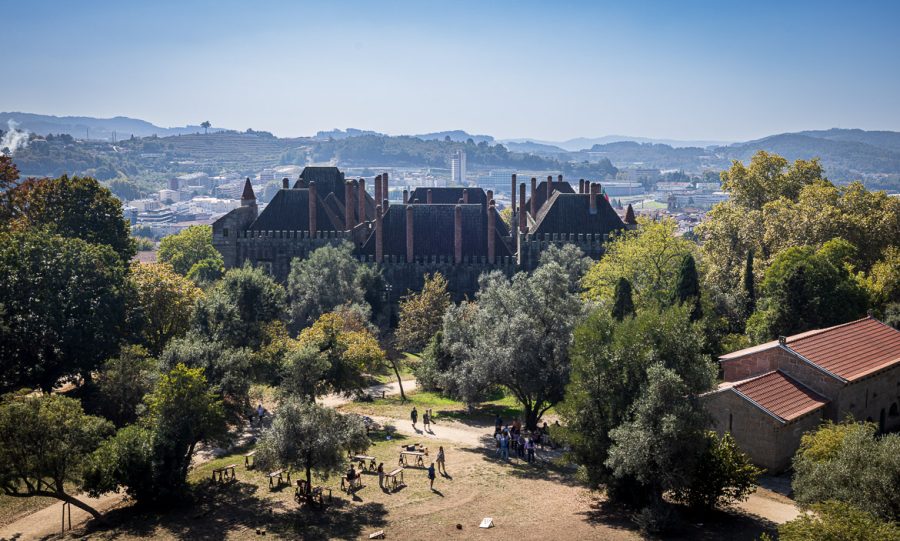
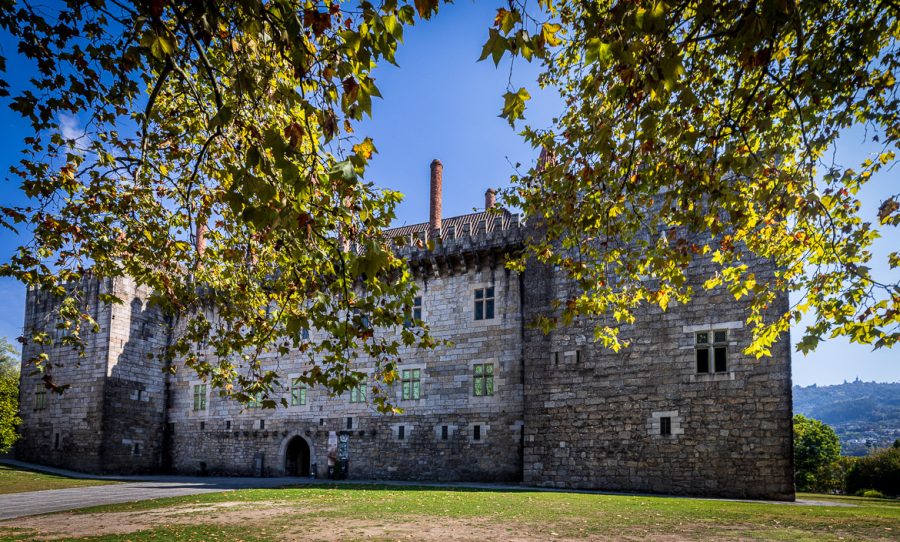
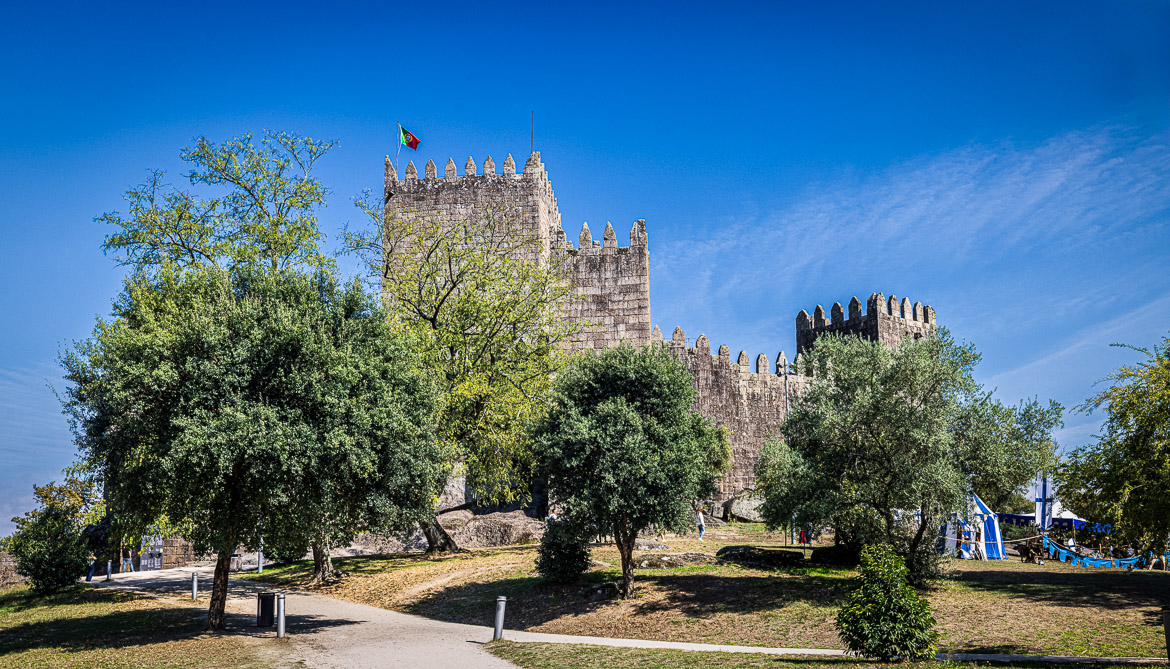
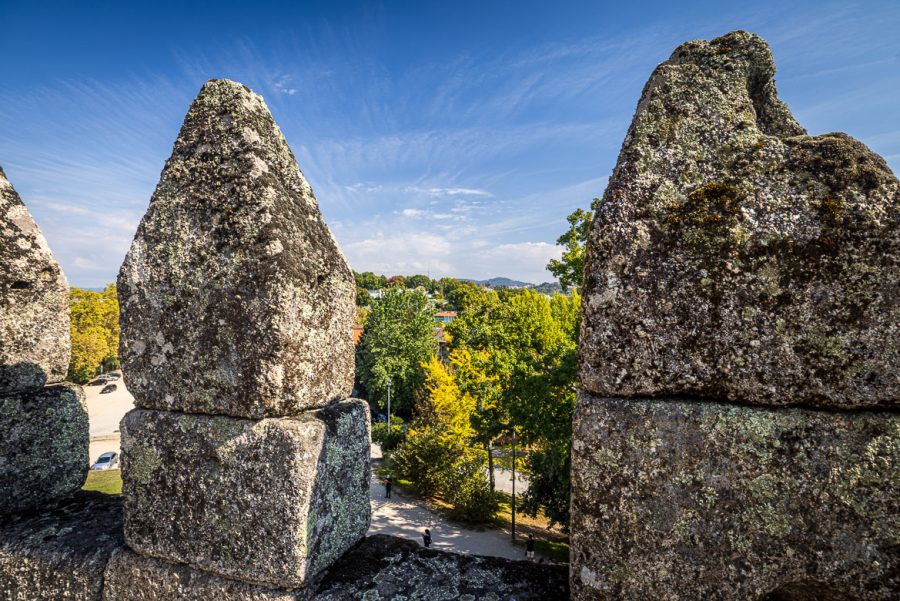
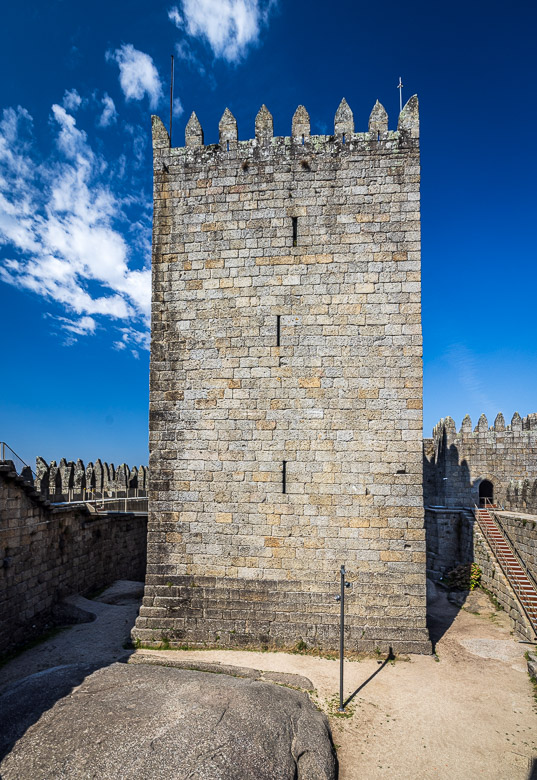
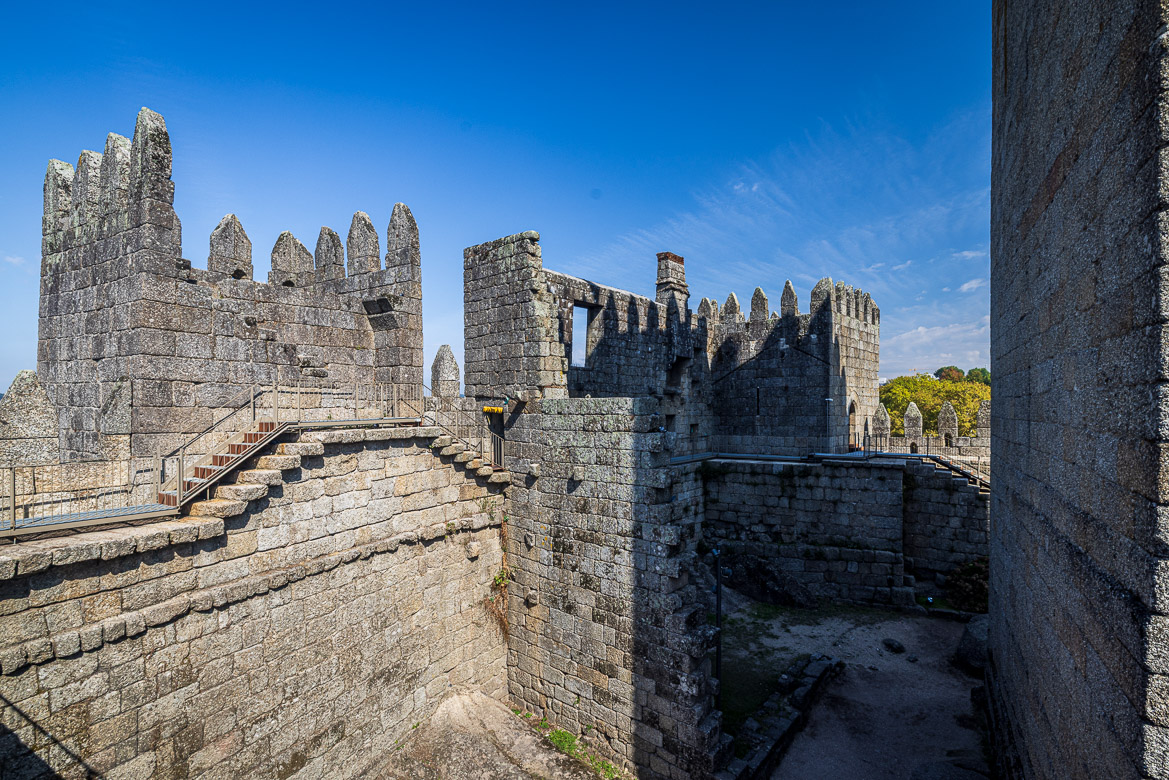
We start with the Castelo de Guimarães, erected in the 10th century. This is where, according to legend, Afonso Henriques, the first king of Portugal, was born and which he chose as his seat as the first king of Portugal. The castle is very impressive on a hill above the town and the huge keep (see image above) is surrounded by not less than eight crenellated towers. Between the towers was a large defensive wall protecting the central keep.
The castle is central to Portuguese history and an outline of it appears on the Portuguese Coat of Arms.
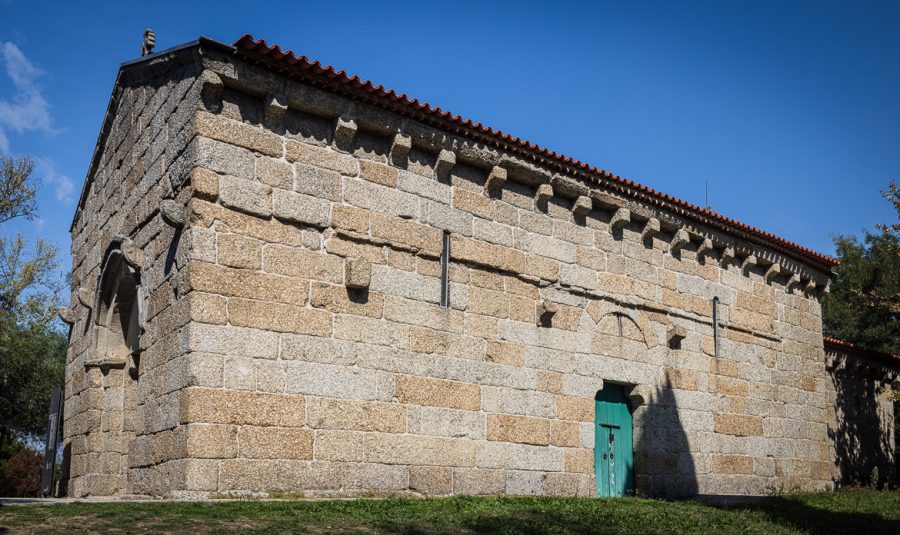
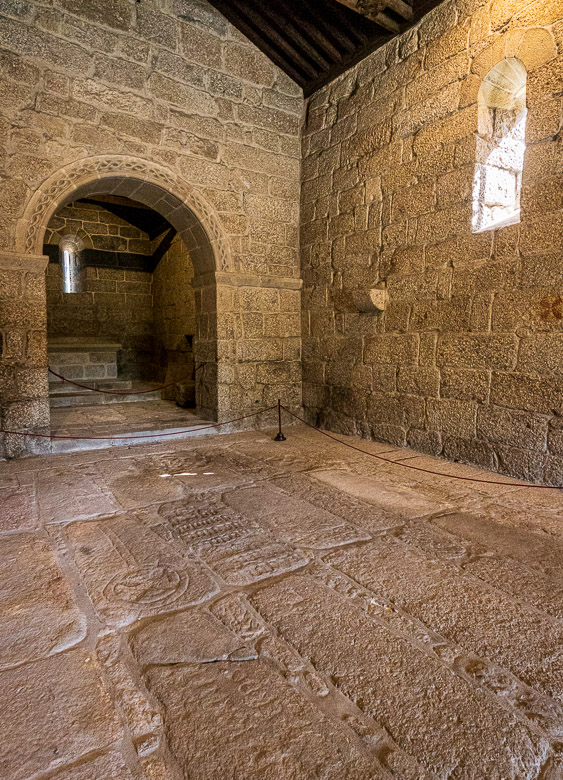
The Romanesque chapel of São Miguel do Castelo is situated just outside the Castelo. The church is from the 13th century. The font, where Afonso Henriques was baptised, is kept inside the church.