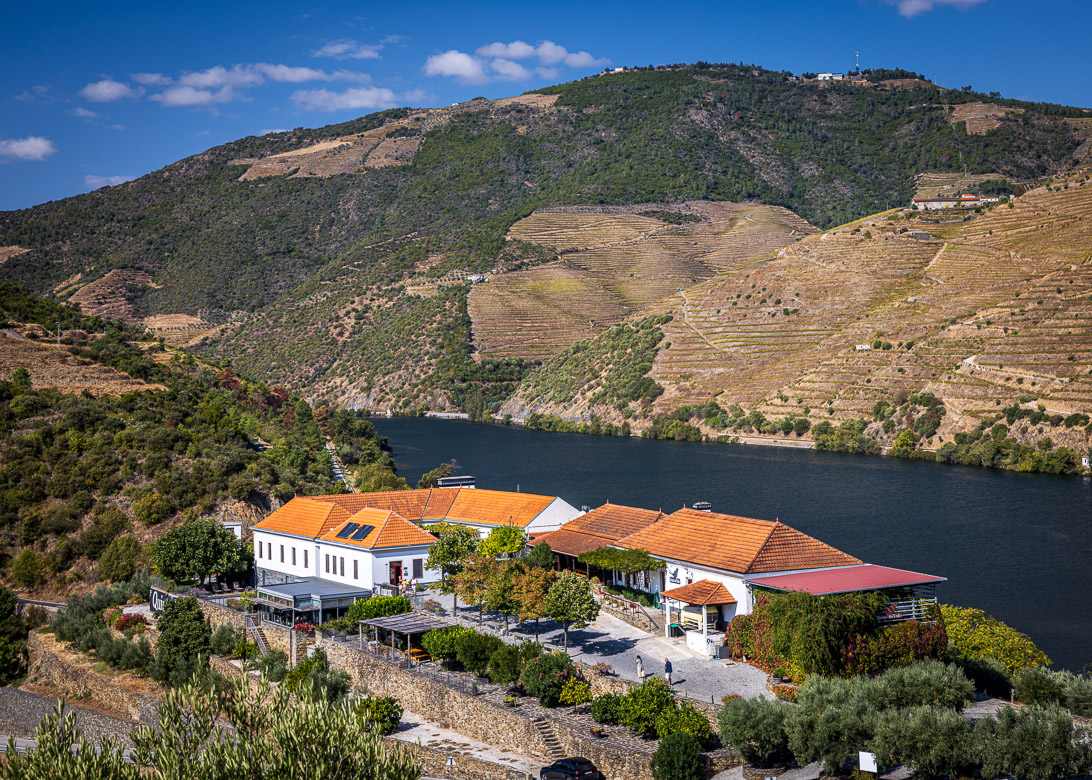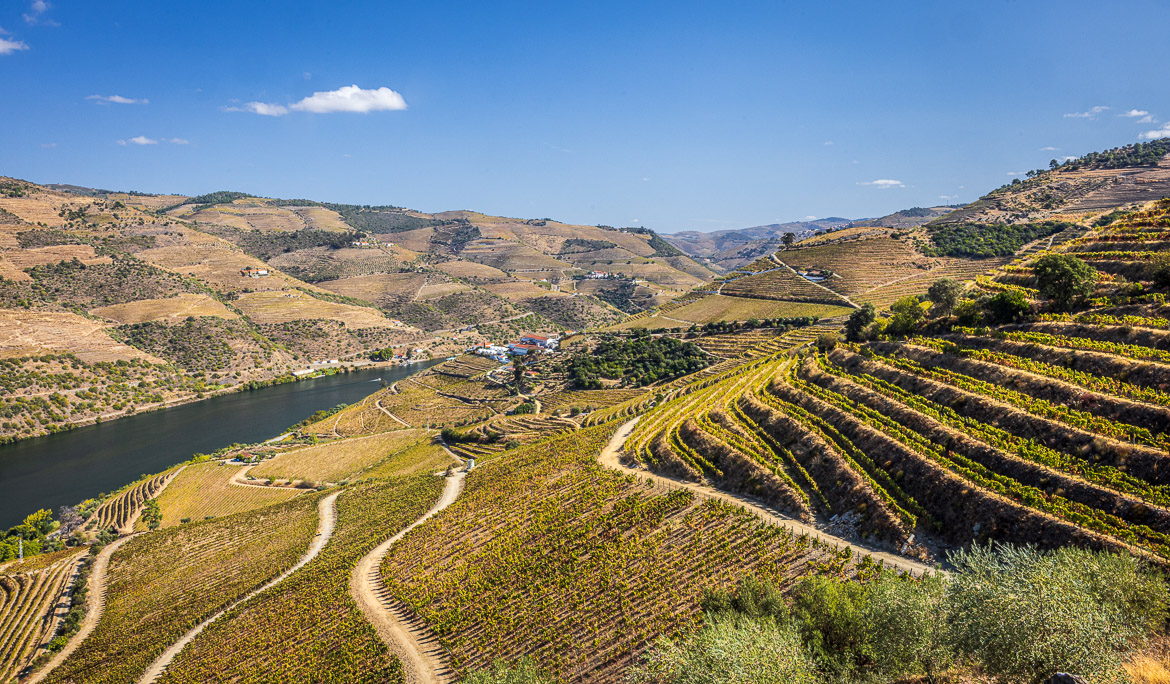
The Douro Valley is the picturesque region surrounding the mighty Rio Douro as it meanders across northern Portugal from the mountains in the east bordering Spain to the Atlantic in the west. And where it meets the sea, the river provides an excellent harbour and that is where Porto is situated.
Tore and I rented a car for a few days exploring both the Douro region and the countryside further north. The Douro region is famous for its terraced vineyards and the grapes here are used to produce Port wine. This and a few following posts are from the Douro Valley. Then we move further north to Viana de Castelo, Ponte de Lima and Guimarães. And I finish my posts from Northern Portugal by some posts from the National Park of Peneda-Gerês.
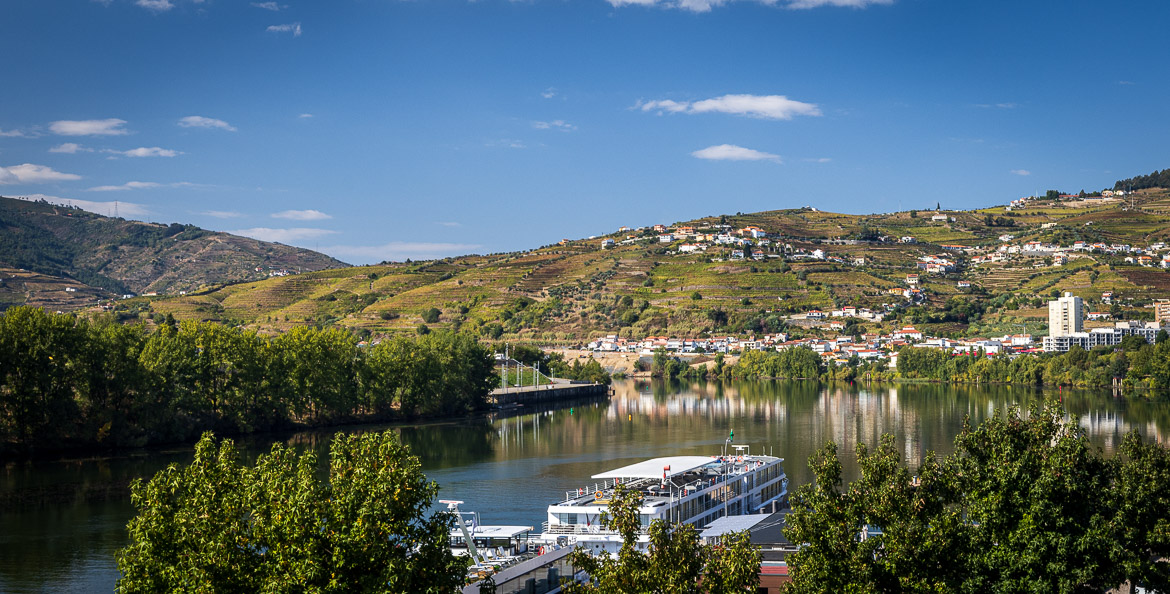
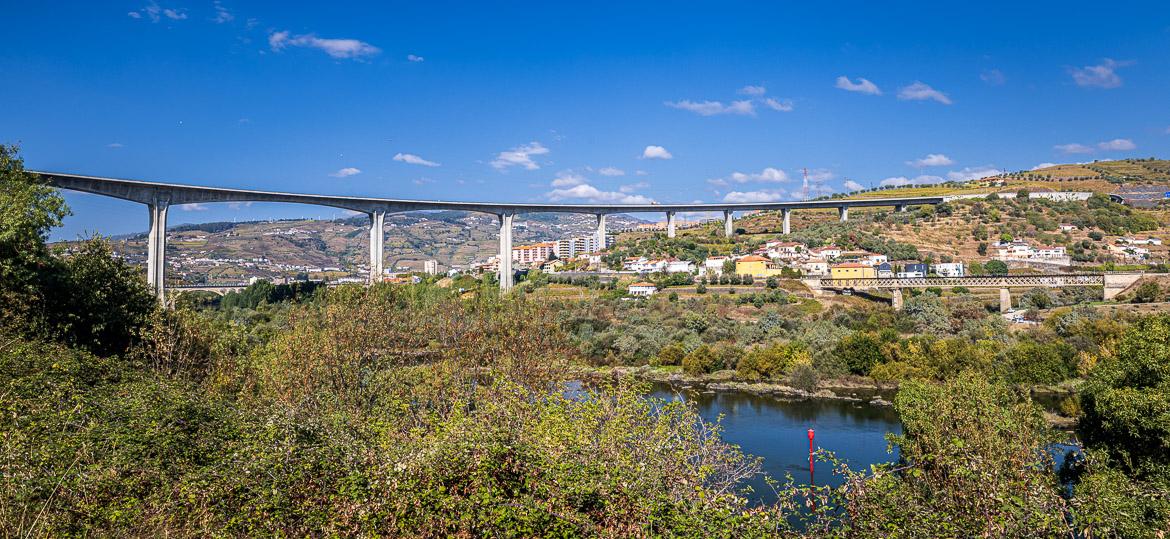
Vines have been grown in the Douro valley since Roman times. Romans made wine on the sloping banks along the river during their long occupation of the Iberian Peninsula. But it was the treaty of Windsor in 1386 between England and Portugal that laid the ground for the successful export of wine to England. The treaty was cemented by the marriage of João I of Portugal to Philippa of Lancaster the year thereafter.
The English trading houses established trading posts in northern Portugal, as the treaty awarded them special trading privileges. By the late 14th C shipments of Portuguese wine to England has become substantial. Many of the merchants were based in Viana do Castelo (see future post from me) north of Porto near the Spanish border. Conflicts between England and France led to wine export to England being blocked in the 17th C, which further strengthened the relationship between England and Portugal.
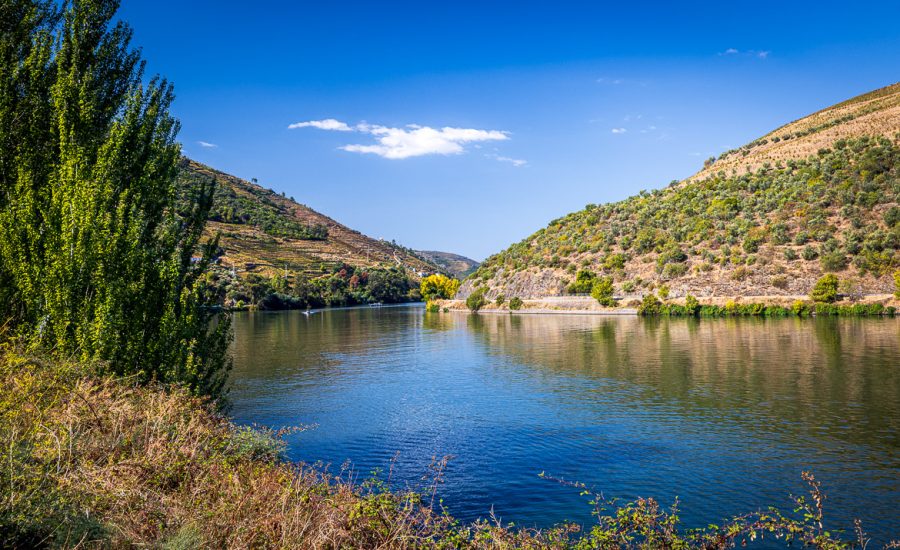
The English palate didn’t appreciate the harsh wines further north around the Minho region, and in the search for something more suitable for English taste the wines in the Douro valley provided the solution. But the wine couldn’t travel overland to Viana do Castelo but had to be shipped om flat-bottomed boats along the river Douro to Porto. So, the merchants moved their business to Porto and set up their warehouses on the south side of the river, opposite Porto, what is called Vila Nova de Gaia, and that is where they still are based. And from Porto or Vila Nova de Gaia it was shipped to England.
The first known shipment of Vinho do Porto or Port Wine was in 1678. But it wasn’t at all the rich, sweet wine that we now know as port wine. Most of it was dry, often with a small amount of brandy added to ensure that it was still in good condition when reaching England.
In the late 1700s it became increasingly common to add some brandy distilled from wine to the wine itself. But it didn’t only add alcohol content and preserve the wine. If the brandy was added before the fermentation was completed, it stopped the fermentation process and some of the sugars were not converted to alcohol. Some of the sweetness was preserved, and port wine as we know it today was borne!
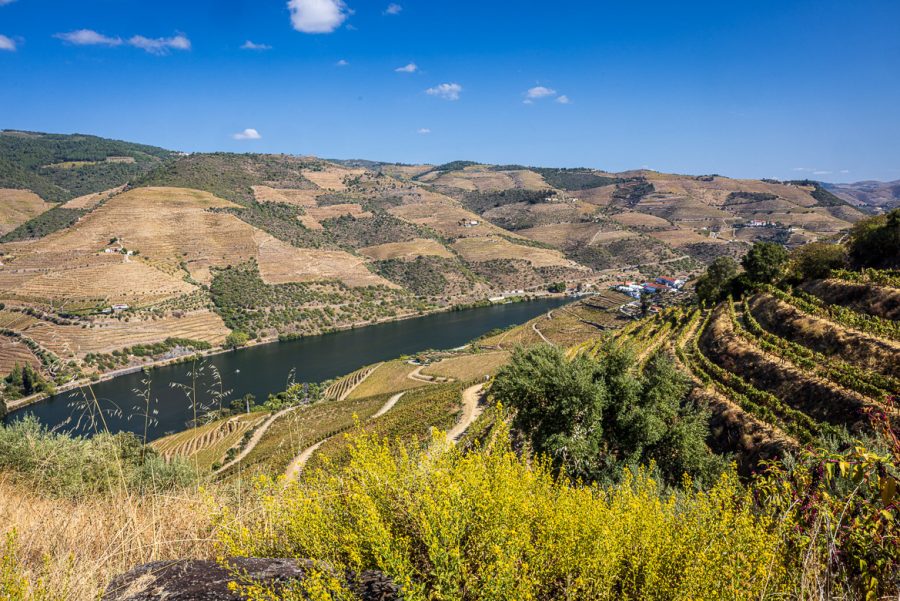
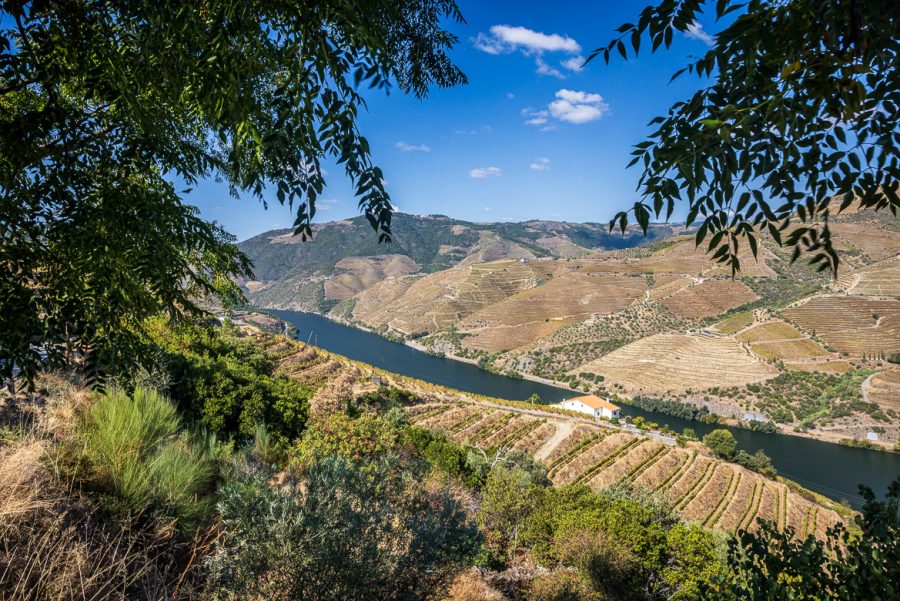
My photos in this post are from the lower Douro Valley, and in the next posts we leave the valley and climb up the hillsides. Then we visit the town of Lamego and the village of Ponte de Ucanha before turning further north.