In the centre of the wine growing region of Douro but around 12 kilometres from the river itself is Lamego, a centre for the production of port wine. Like many of Portugal’s towns and cities it is ancient and has been controlled by the Moors before reconquered by Ferdinand I, in 1057. Ferdinand’s grandson, Don Afonso Henriques later became the first king of Portugal and he was acknowledged by the first cortes, or national assembly, in Lamego.
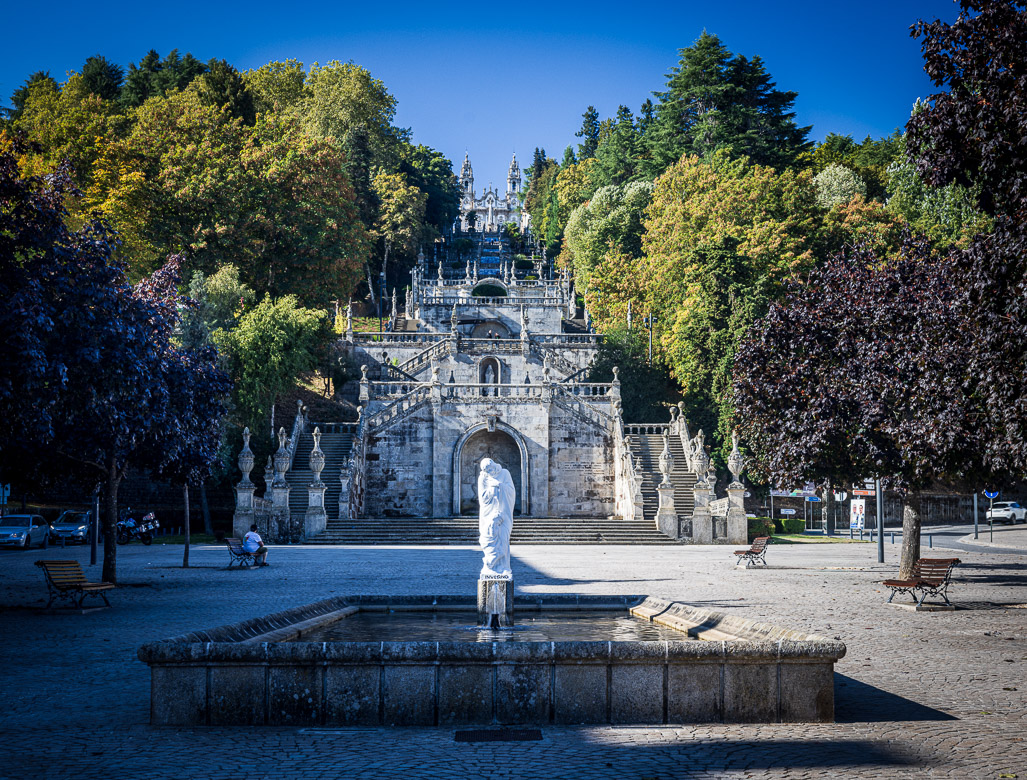
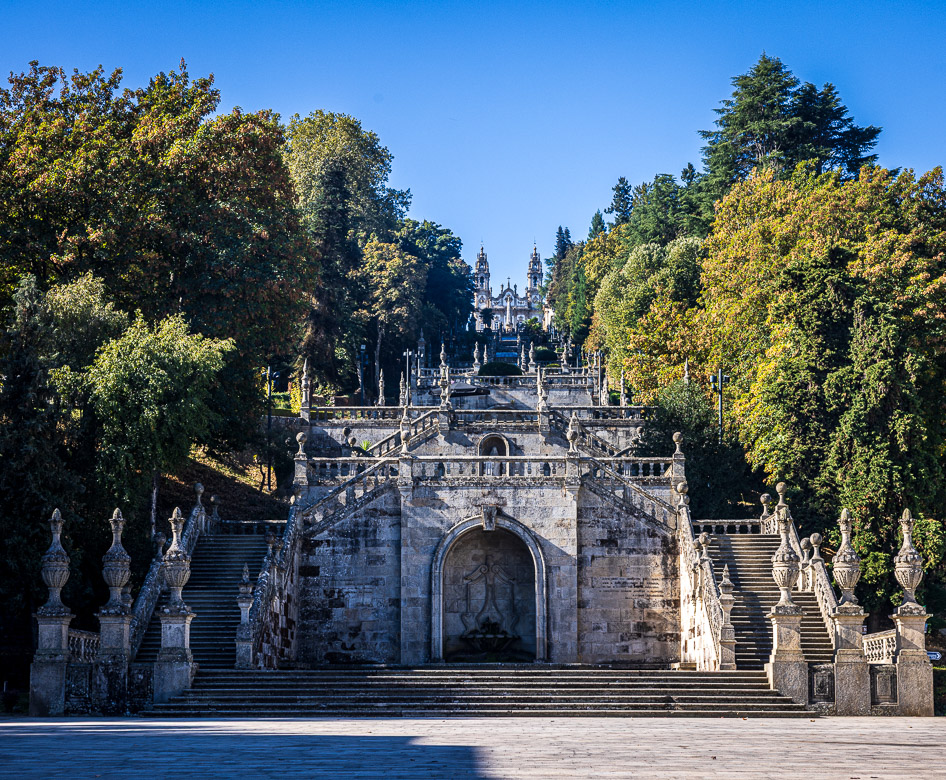
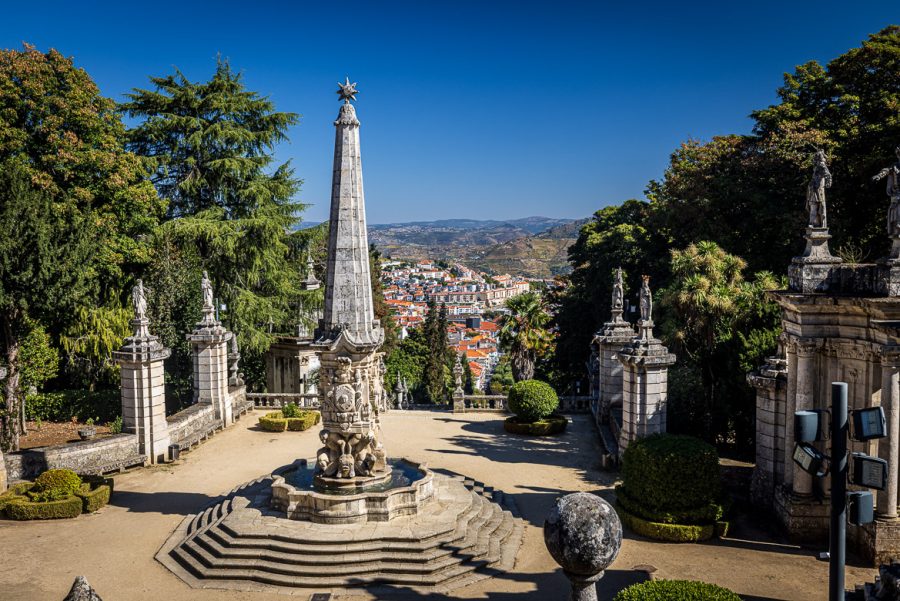
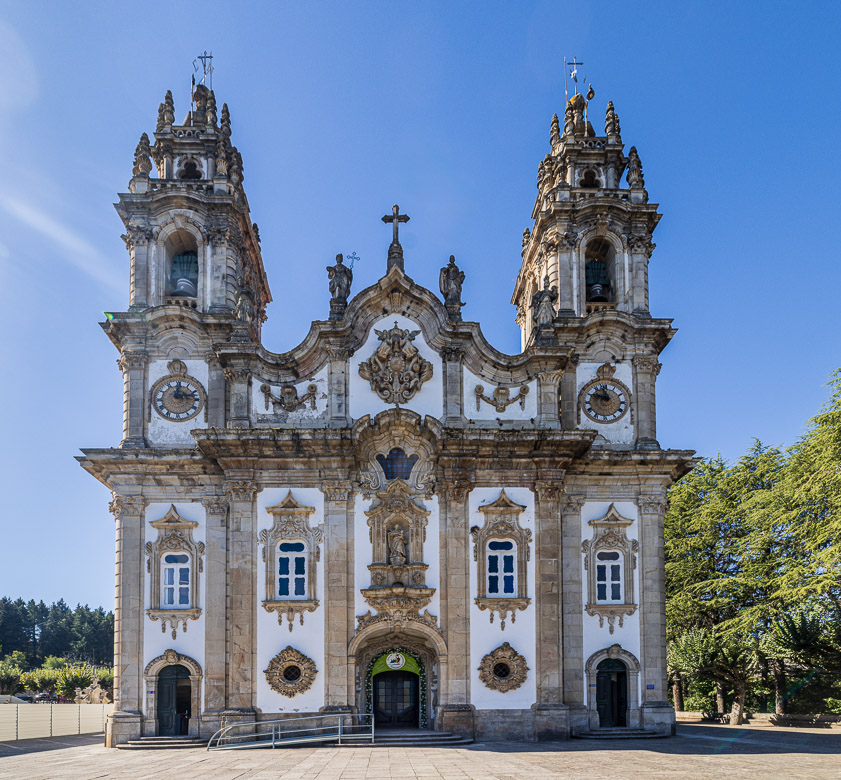
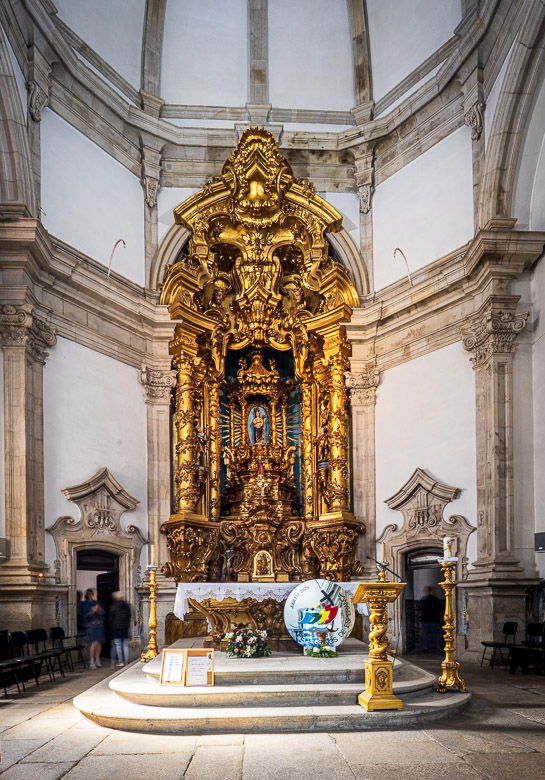
A small hilltop chapel dedicated in 1391 to St Stephen became the focus of pilgrims devoted to the Virgin and in 1781 Nossa Senhora des Remédios was built on the site. The stairways, consisting of 686 steps, was completed much later. The work started in 1777 and wasn’t completed until more than 100 years later. The stairways and the church itself was the main reason we were visiting Lamego.
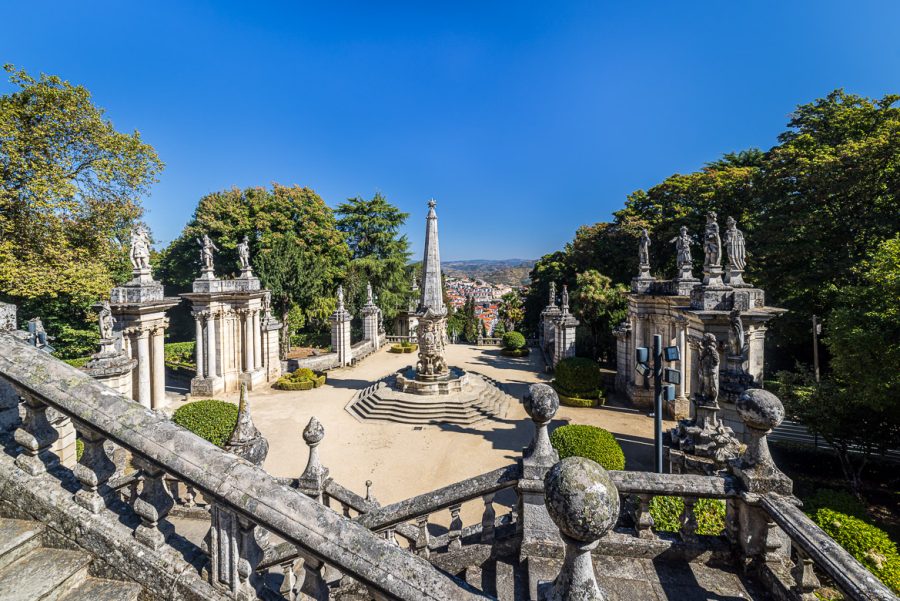
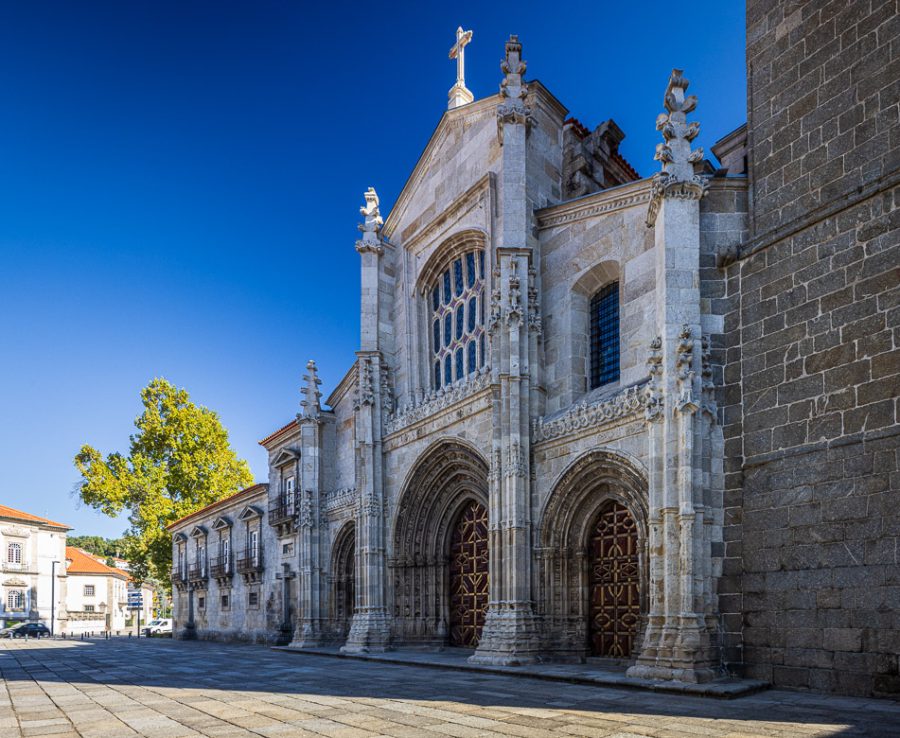
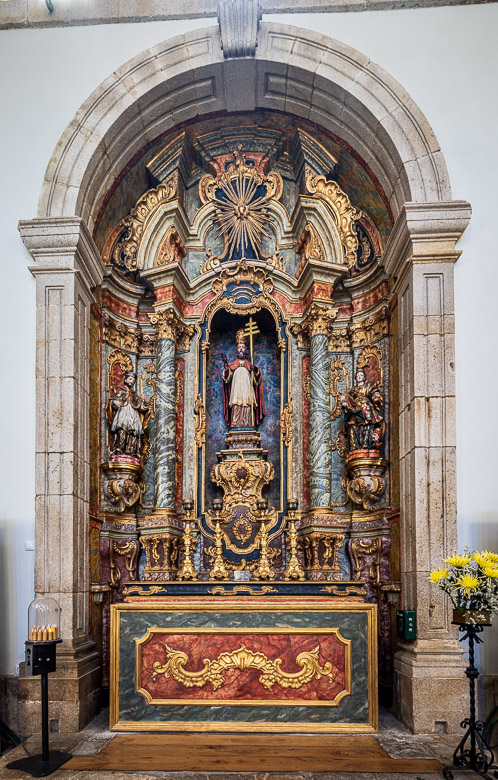
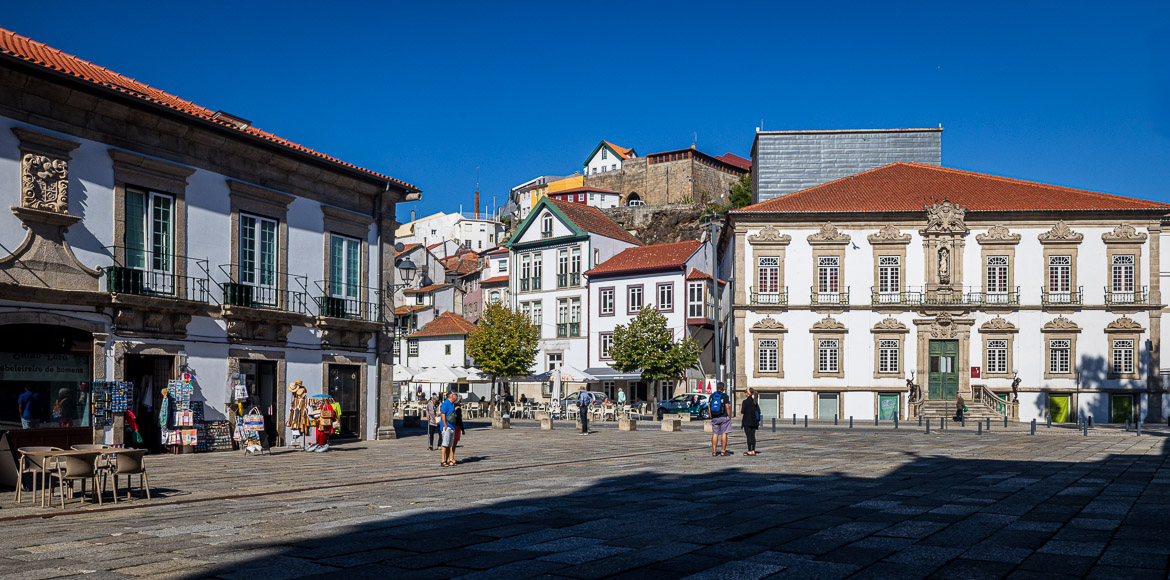
Looking down the staircase and the Avenida towards the other end was a square that also contained the Sé, the cathedral. It was founded in 1129, and its square tower remained in its original shape and form but most of the other exterior and the inside of the cathedral reflects modifications between the 16th and 18th centuries.