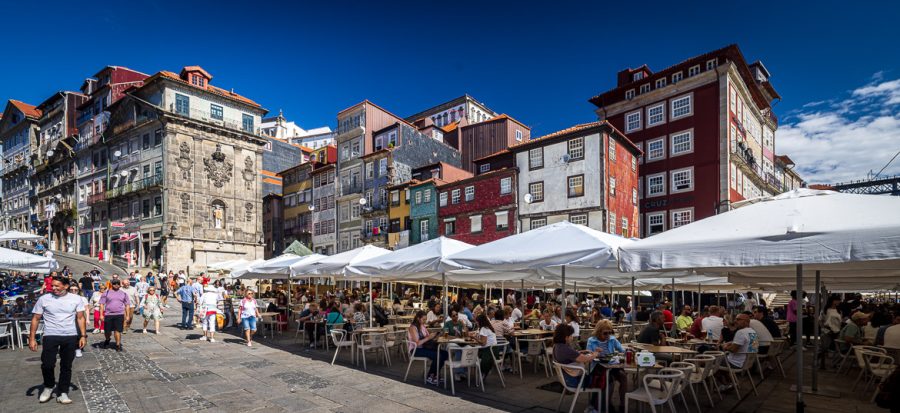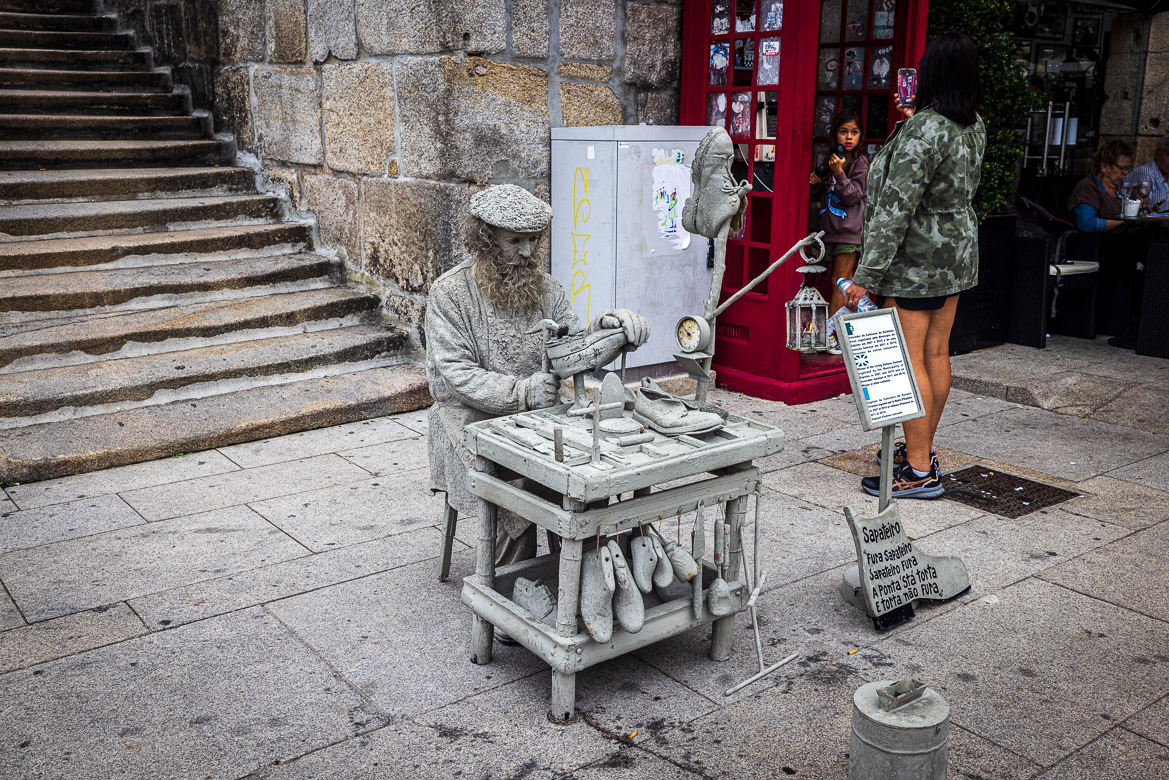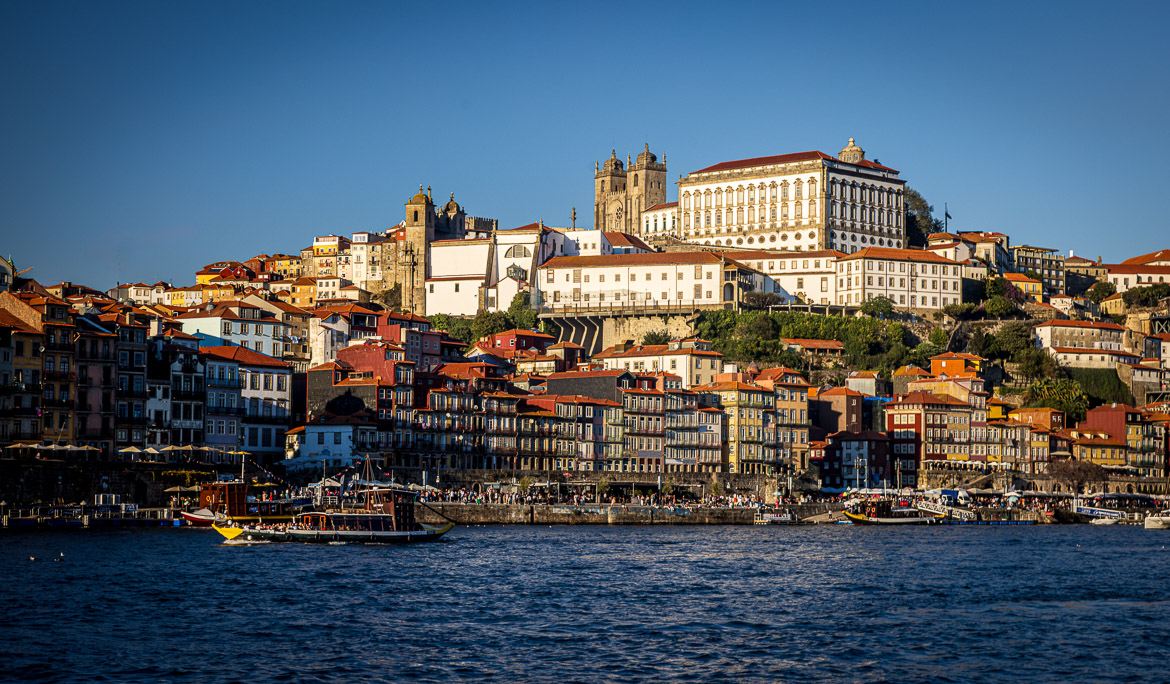
In the 11th C Portucale was a small county of the kingdom of León and Castile that declared itself independent by its first king, Alfonso Henriques. Just like in Spain, the kingdom of Portucale expanded southwards, driving out the Moors from the south of present day Portugal. But the original Portugese kingdom was roughly one third of the present day Portugal in the north. King Alfonso Henriques chose Guimarães as its first capital.
My friend Tore and I decided to visit the birthplace of Portugal last autumn. We spent 10 days in October visiting some of the towns and countryside to explore a part of Portugal that neither of us had properly seen before. We based ourselves in Porto, the second largest city of Portugal, and used the base both to see more of Porto and to have as the starting point for our excursions into the cradle of Portugal.
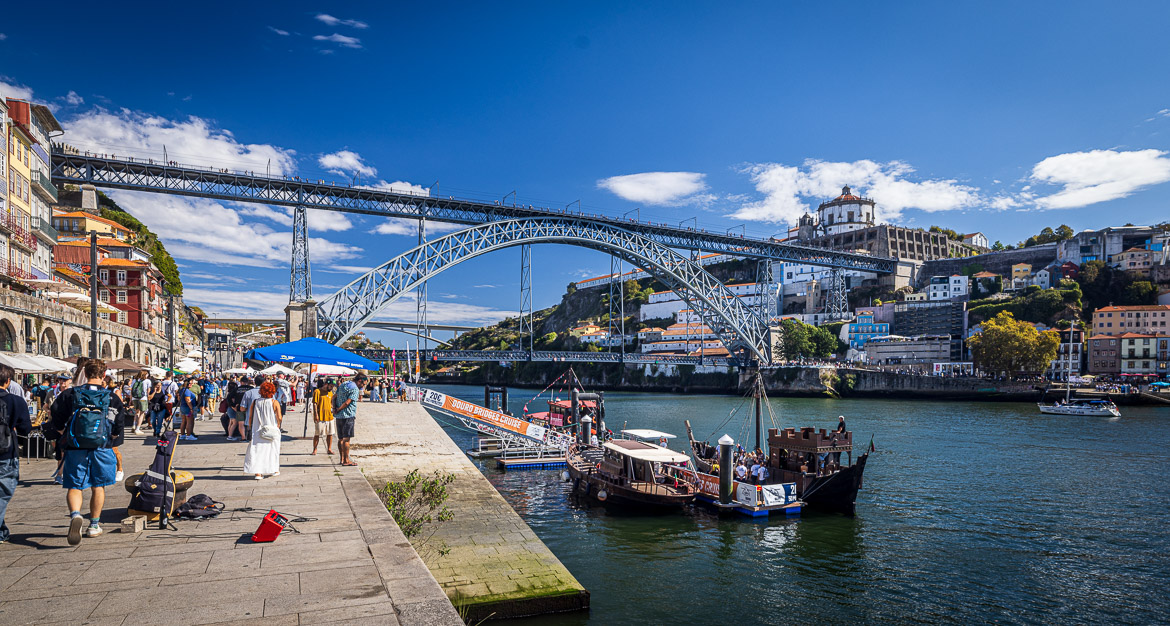
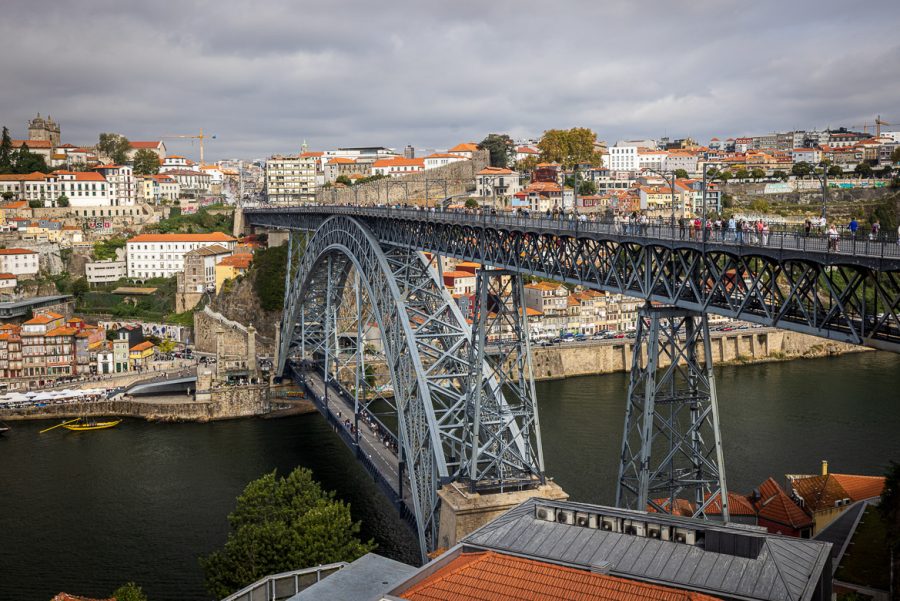
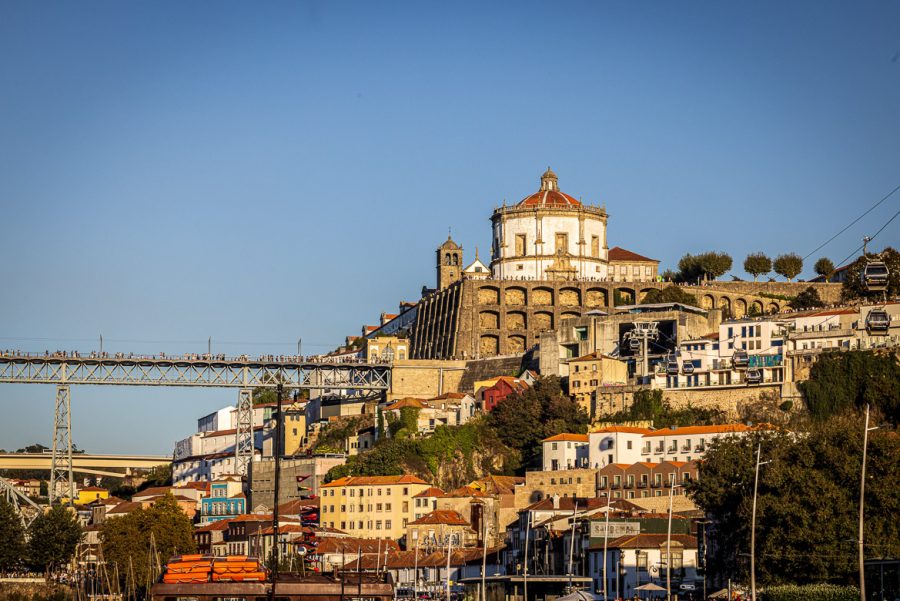
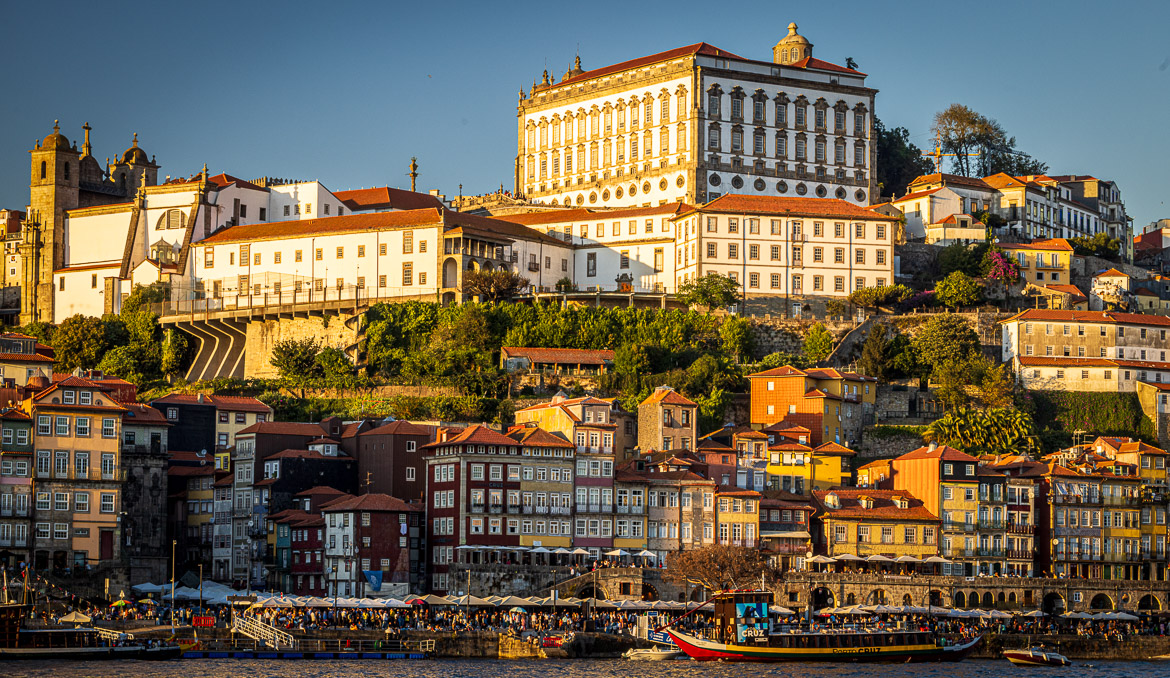
Porto is situated at the estuary of the Douro River in the very northern parts of Portugal. Due to its location, it was since Roman times an important harbour. The river valley is a wine growing region. The famous port wine, named after Porto, is largely exported from Porto, a lot of it ending up in cold and rainy England.
In 1387 Porto hosted the marriage of John I of Portugal and Philippa of Lancaster, cementing the Anglo-Portuguese alliance, which remains the oldest enduring military alliance in the world. And the connection between England and Portugal made English firms establish trading posts in Porto and soon dominating the port wine trade.
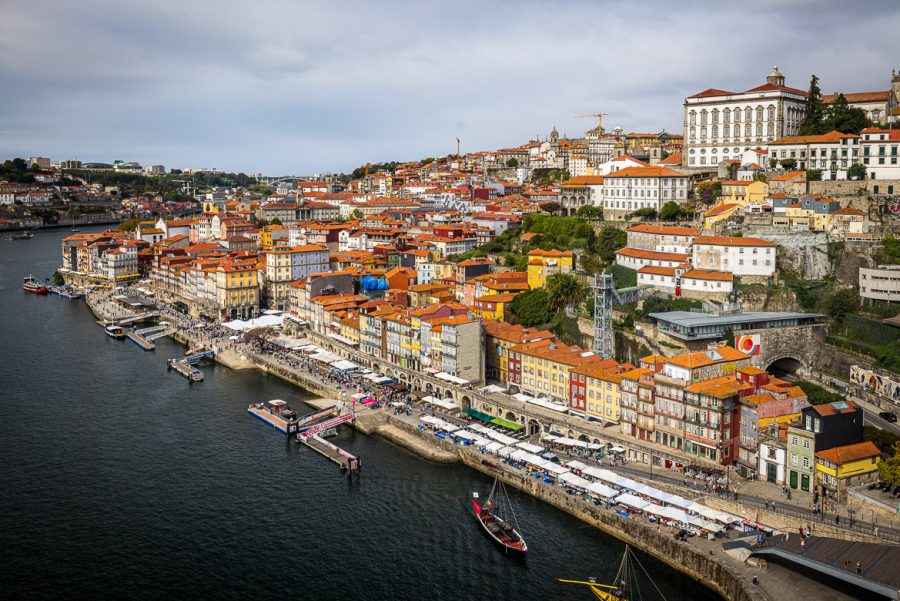
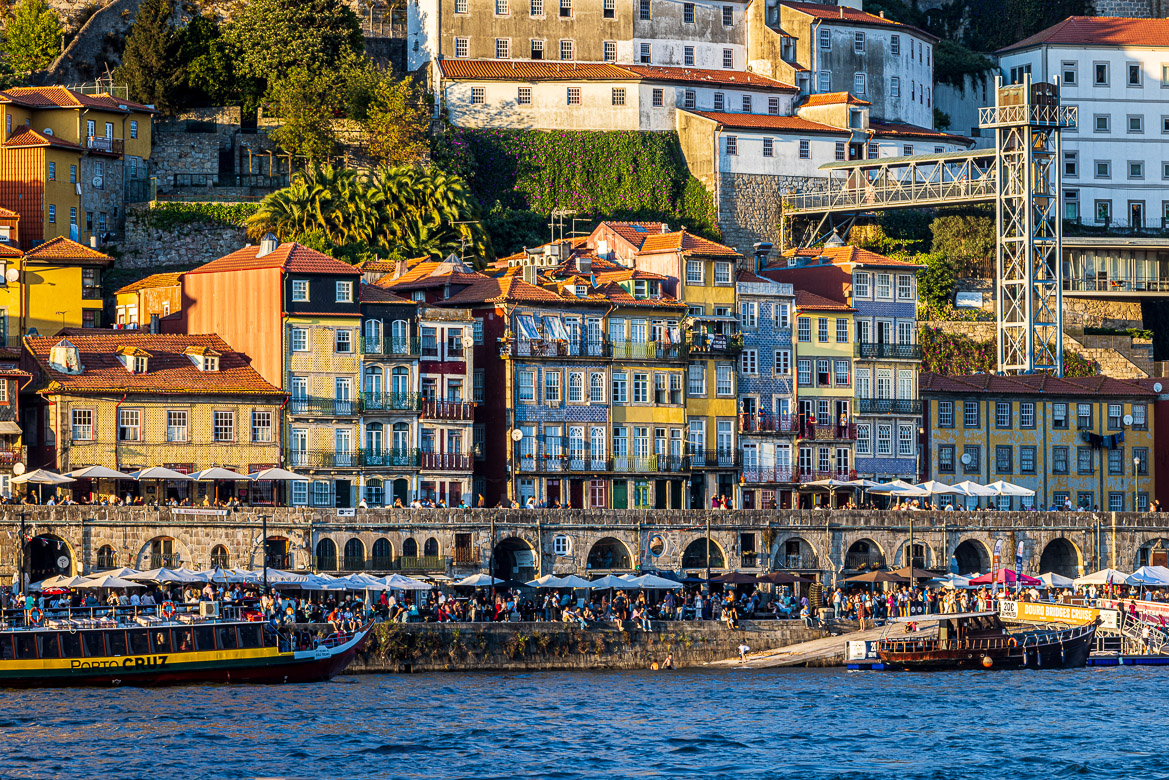
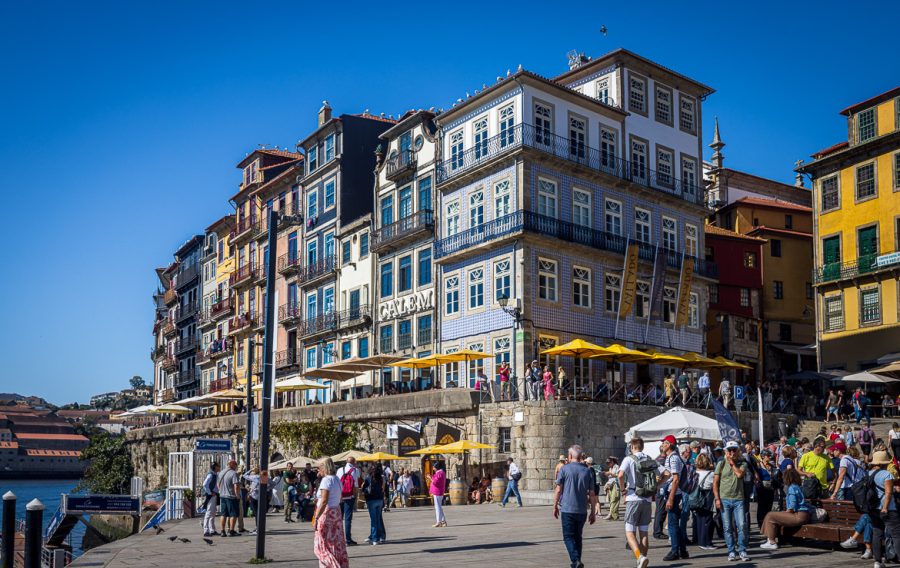
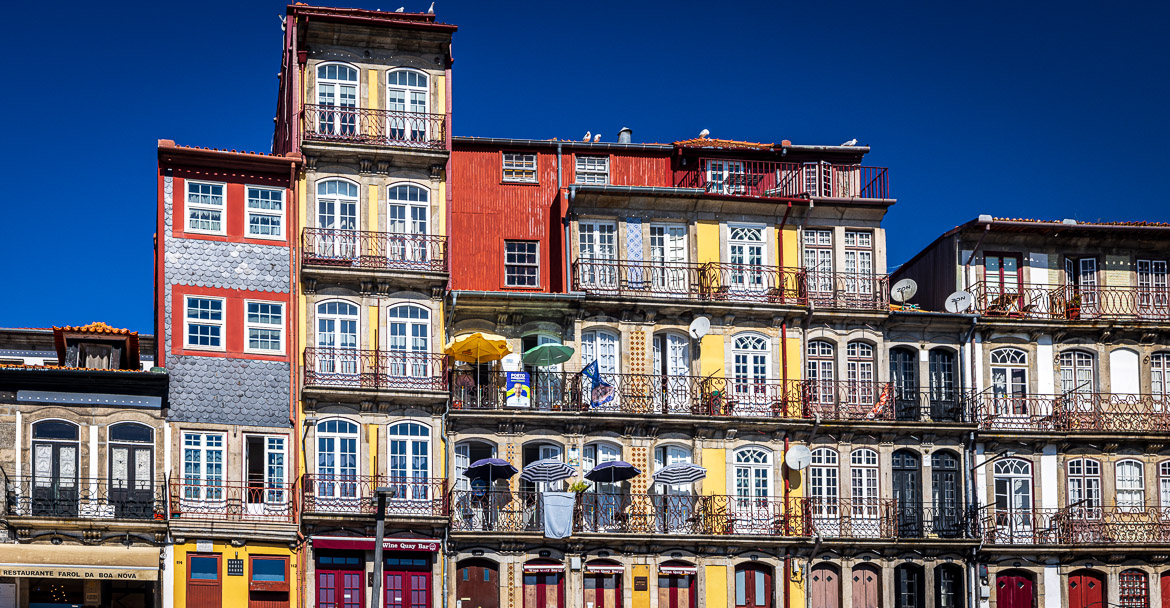
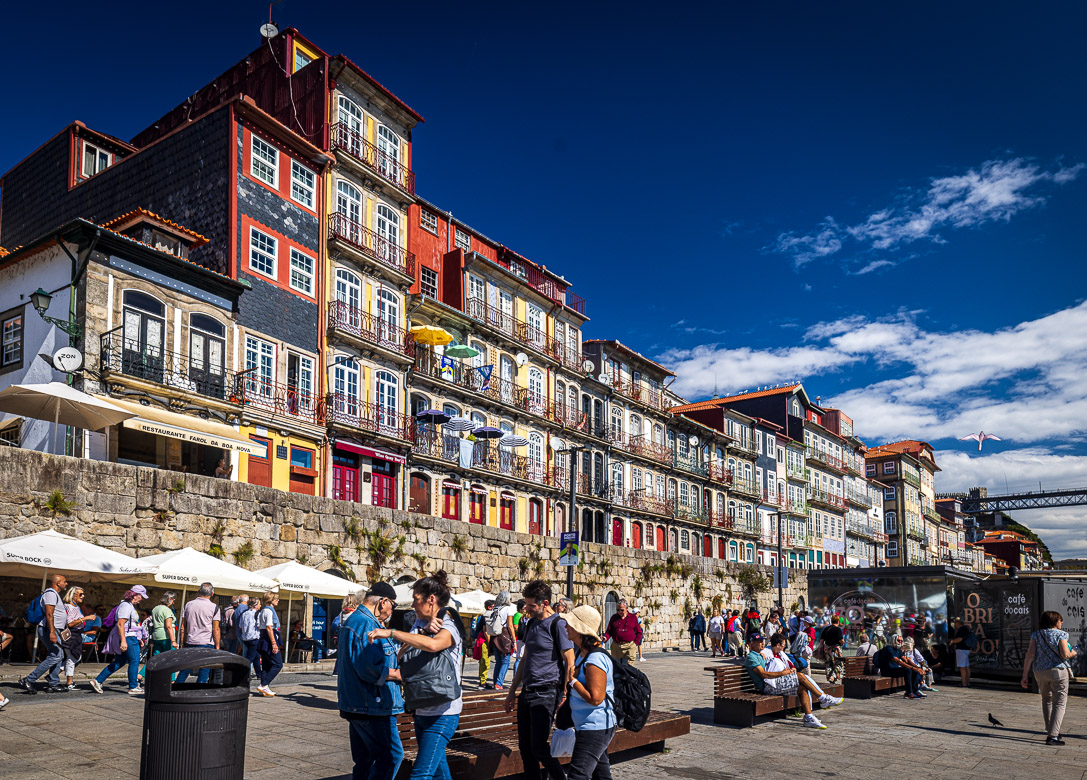
After having posted photos from the Faroe Islands for three months, I will now in a number of posts show some images and tell you a little about the cradle of Portugal. And we start in the historic riverside quarter of Porto, designated an UNESCO World Heritage Site in 1996. A warren of narrow, twisting streets, beautiful pastel painted or tiled façades, crowded restaurants and a lively nightlife.