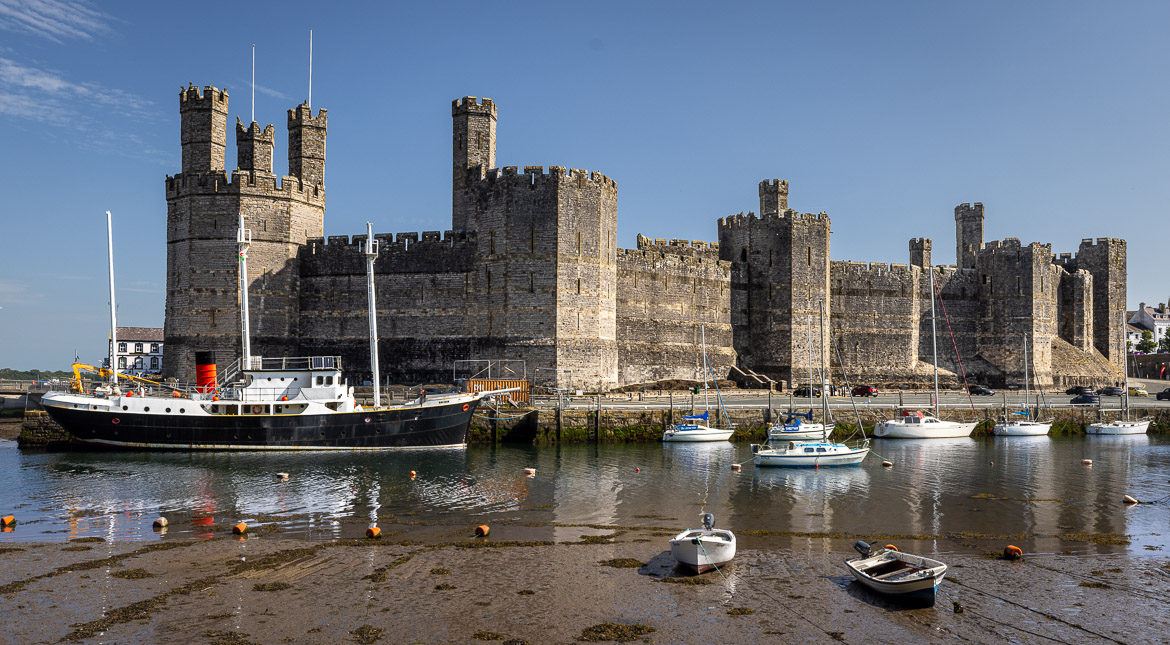
Caernarfon is a small town with around 10,000 inhabitants in the northwestern part of Wales on the eastern shore of the Menai Strait and opposite the island of Anglesey. Caernarfon is most famous for its castle, built by King Edward I in the late 13th C. The castle is situated where the River Seiont is emptying into the Menai Strait, so the castle is surrounded by water on two sides and the town of Caernarfon on the other sides.
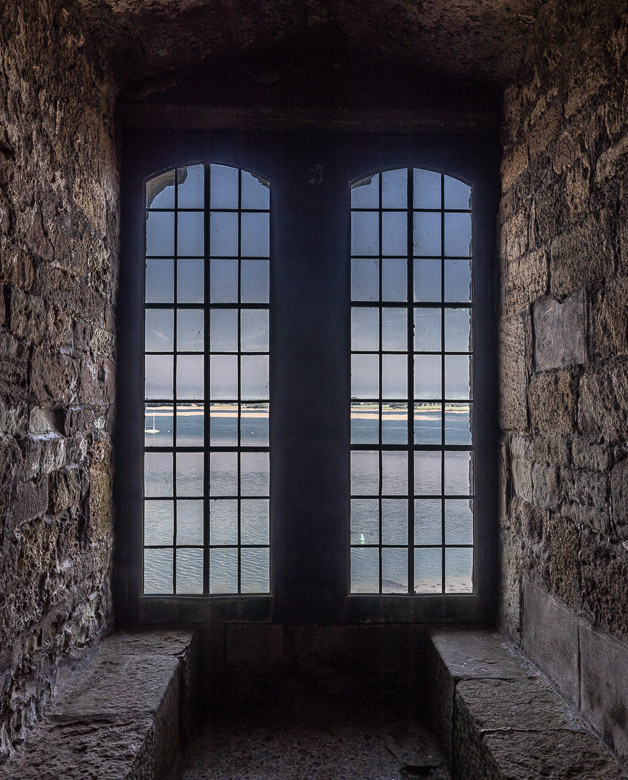
Castell Caernarfon is one of the greatest buildings of the Middle Ages, Wales most famous castle and a World Heritage Site. The exterior was originally decorated with bands of different coloured limestone and sandstone; the interior boasted murals by the same artist that decorated Westminster hall; there were glass in the windows (very unusual in 1280) and they had toilets and running water. But its main function was to impress and intimidate! Edward I must at all cost keep the unruly Welsh princes at bay!
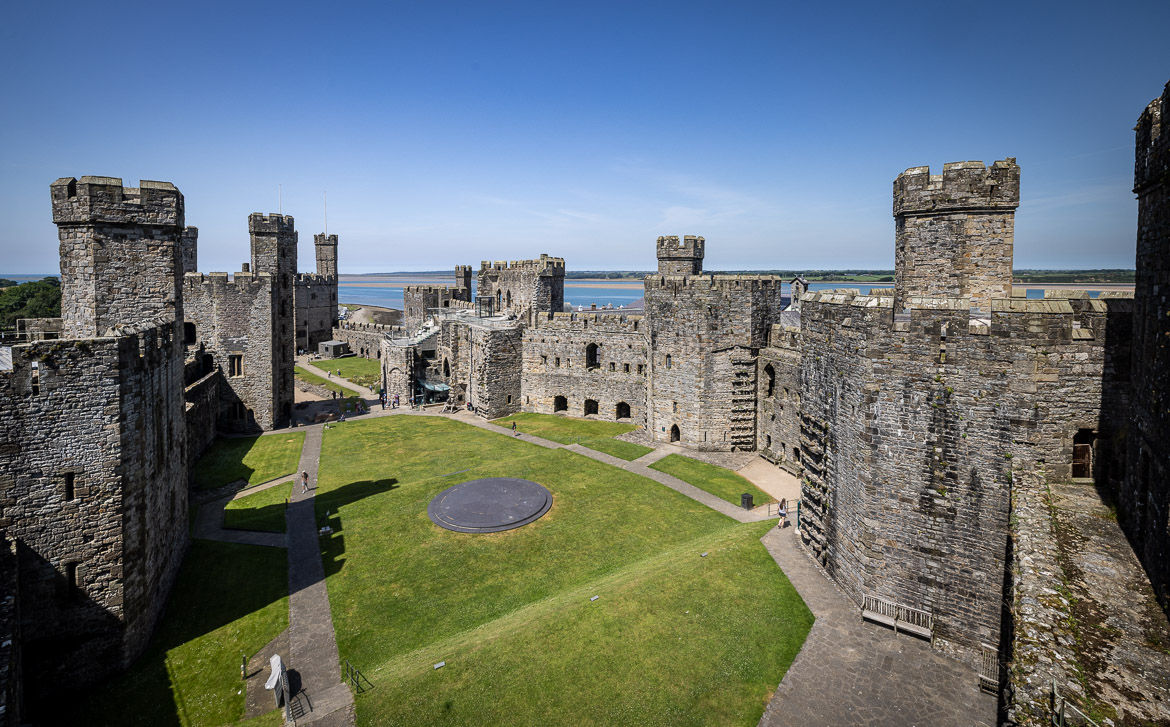
The region around Caernarfon had been inhabited since Celtic times and in the 70s Ad it was grabbed by the Romans. East of the castle are the remains of a Roman fort, Segontium, designed to hold around a thousand soldiers. Segontium was occupied by the Romans for three centuries.
King Edward I was powerful, wealthy and cultured and he wanted the world to know it. He built not only Castell Caernarfon but also the castles of Conwy, Harlech and Beaumaris, although the latter was never completely finished. The cost of these projects was enormous, and it is estimated the total amount spent corresponded to the yearly income of the English nation.
The investiture of King Charles III as the Prince of Wales took place at Castell Caernarfon in 1969.
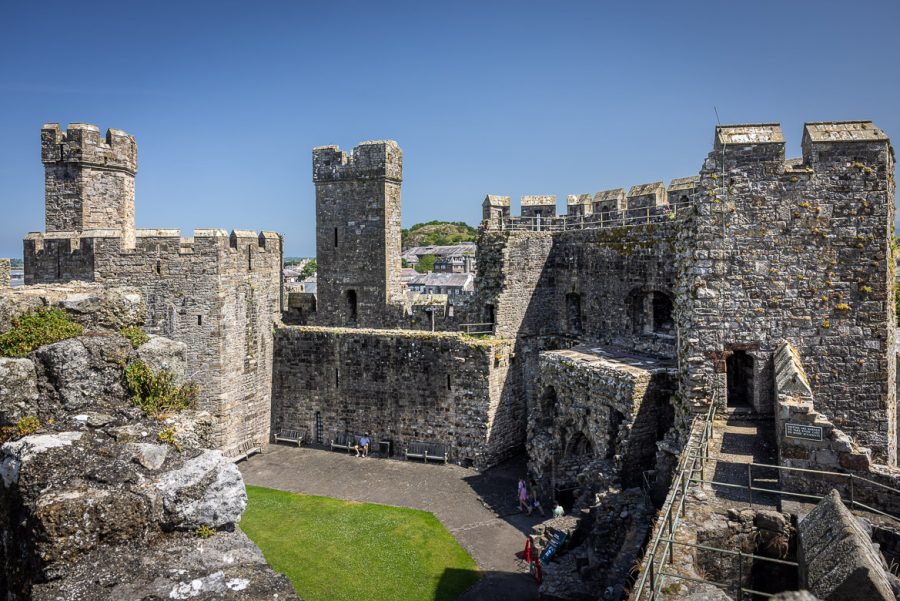
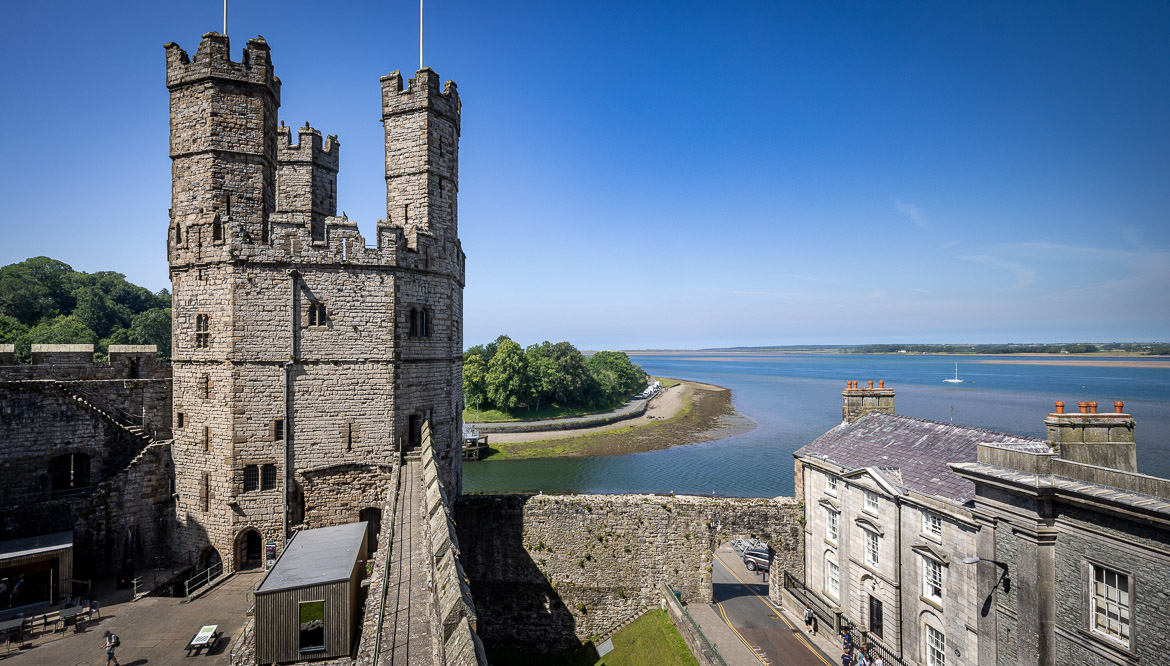


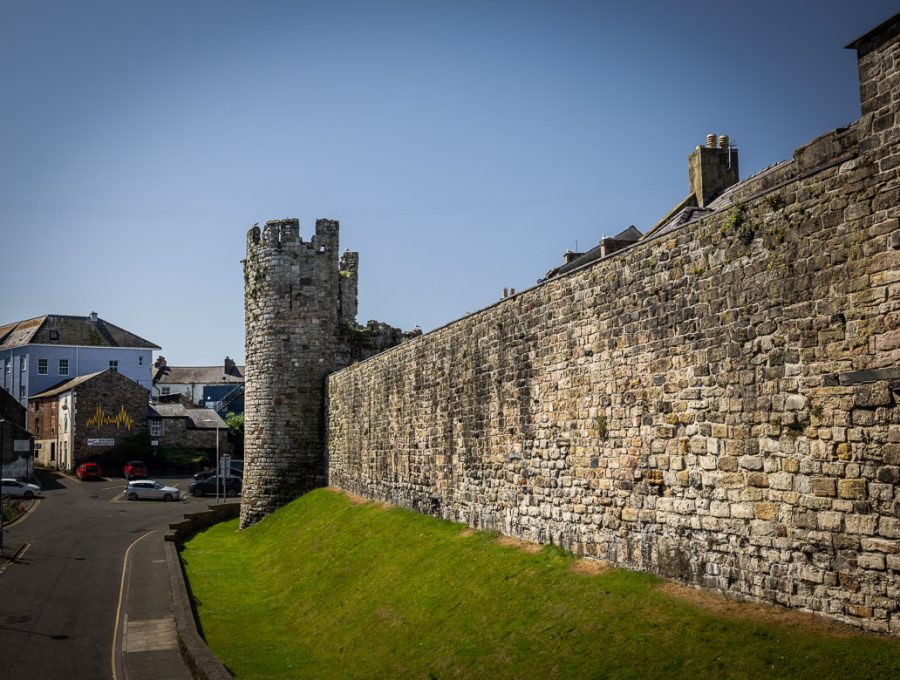
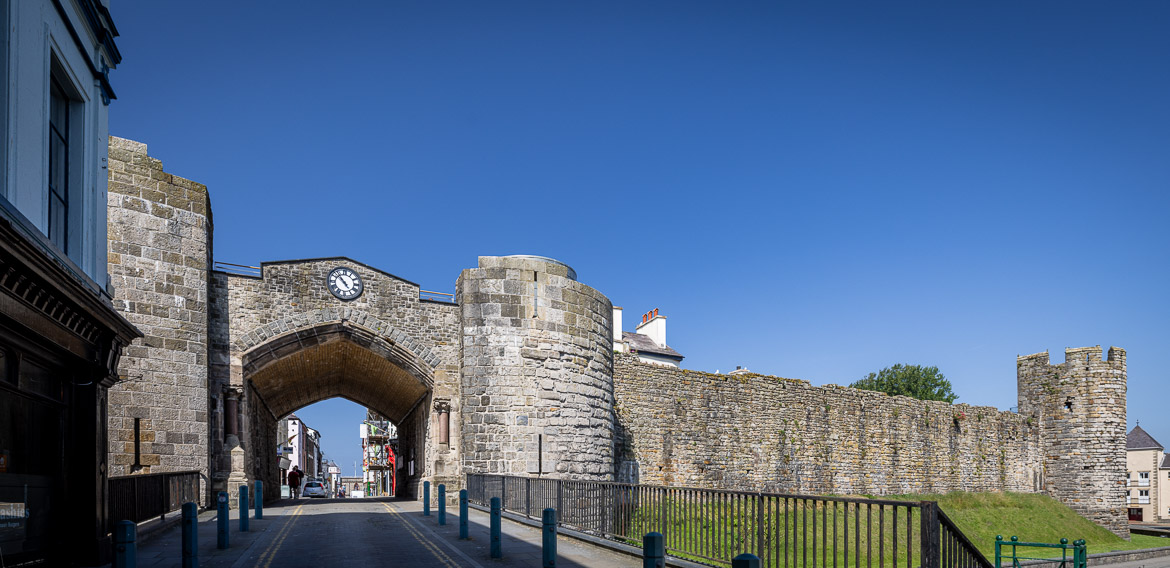
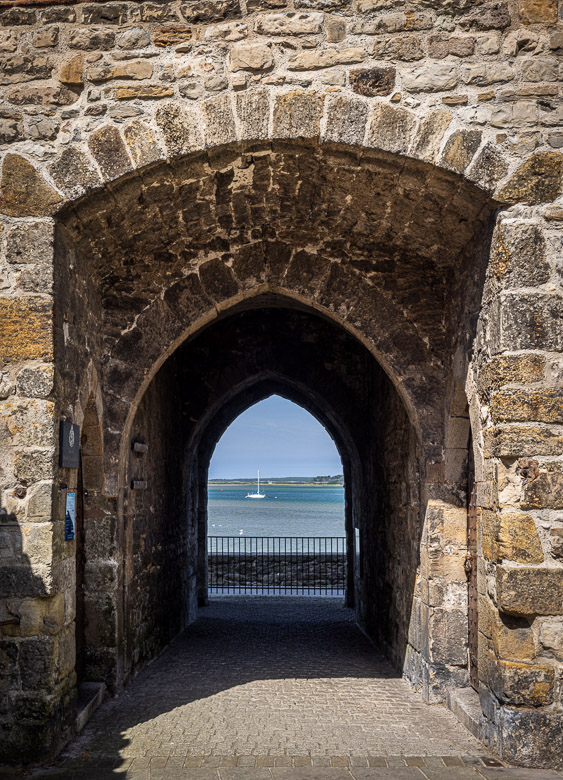
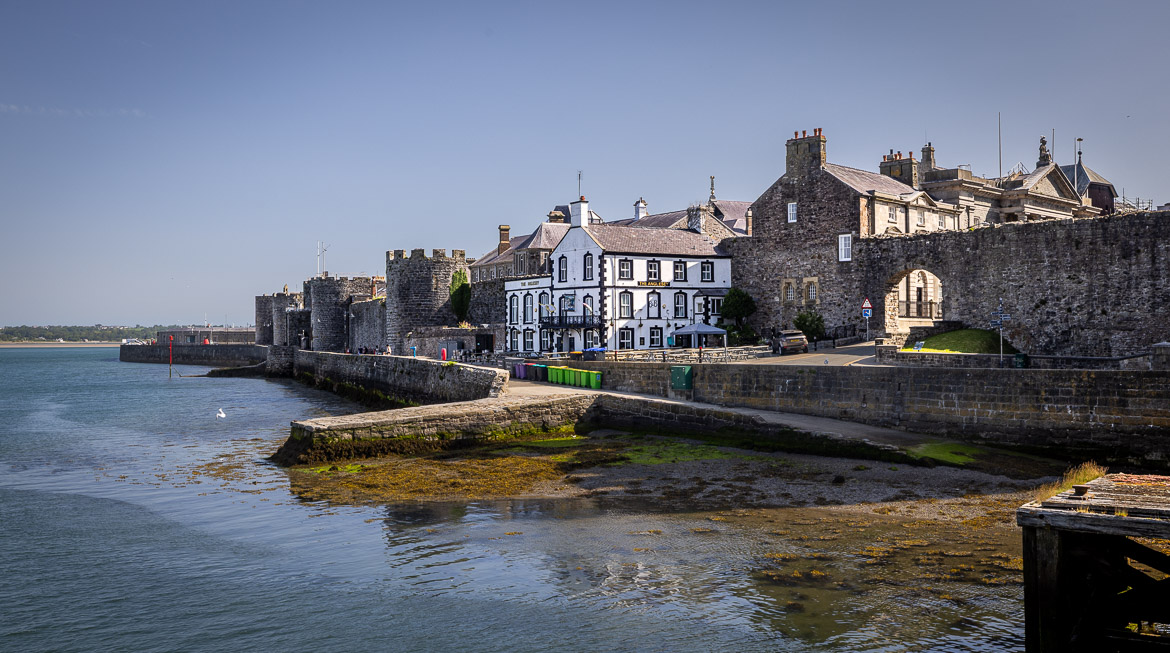
Next to the castle is the original medieval town surrounded by a defensive wall nearly encircling the town. The town wall complex was built so that one side of the town wall was the castle itself and from the outside it looked like – and was – one enormous defensive structure.
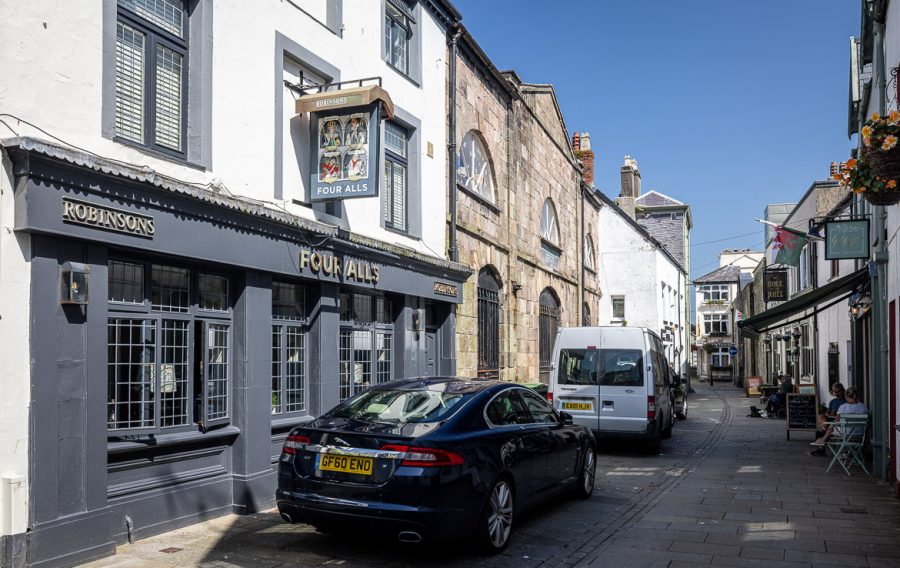
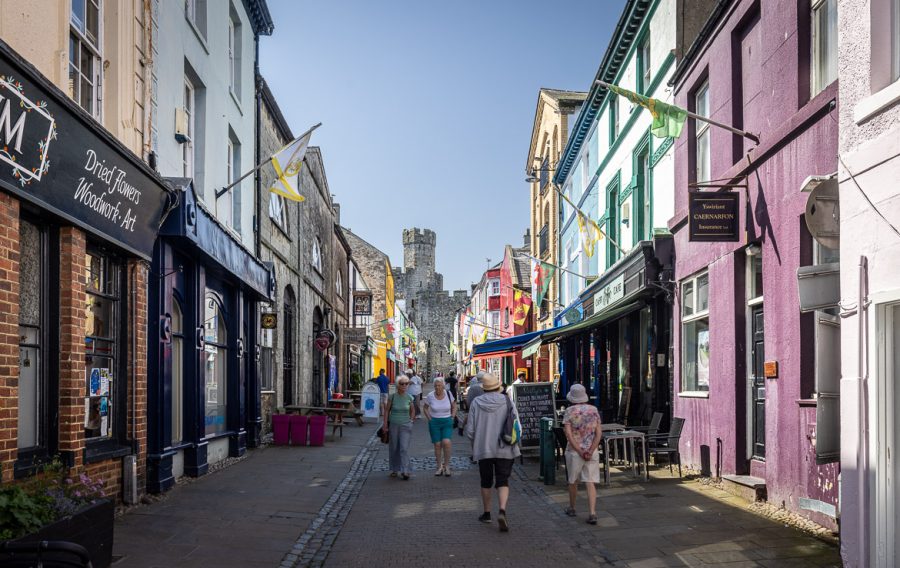
The medieval wall is still nearly completely preserved, but the town inside is mainly from the 17th and 18th centuries.